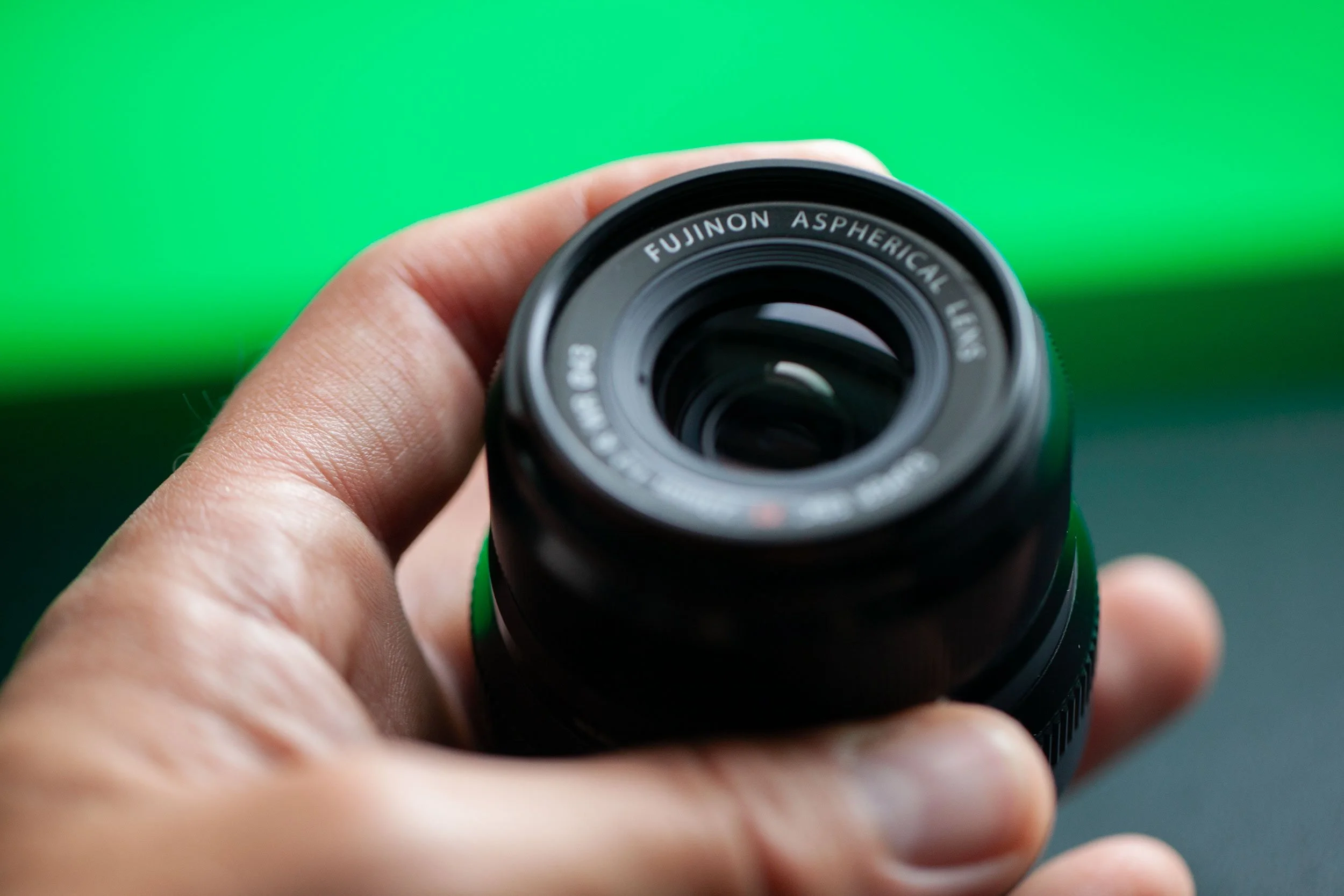
As I’ve mentioned before, my gear list is slim. I use only two lenses and have used them for a few years now. If I find something I like, I usually stick with it. I rarely buy something to try it. It really needs to fit a gap in my workflow, and I haven’t needed to fill that. As a result, those two lenses remain my go-tos.
The days of carrying multiple lenses are over for me, and at the centre of that shift has been one lens: the Fuji XF 23mm f/2 R WR. It’s been on my camera for most of the last few years, through numerous trips, both near and far. After that much time with it, I think it’s earned a proper long-term look: an honest account of why I chose it for my travels, why I still reach for it before anything else, and why I think it’s one of the best values in the entire Fujifilm lineup.
That 23mm is great for automotive work too; however, I’ve used it far more for travel than for automotive work. As a result, this review will touch on it as a lens used for travel and street use.
Fujinon XF 23mm f/2 R WR Specs
Focal length: 23mm (35mm full-frame equivalent)
Weight: 180g
Filter size: 43mm
Maximum aperture: f/2, minimum aperture: f/16
Lens construction: 10 elements in 6 groups, including 2 aspherical elements
Autofocus: Inner-focus stepping motor
Length: approx. 2.3 in / 58mm
Weather sealing
Metal exterior, manual aperture ring with click stops
Why I Chose It
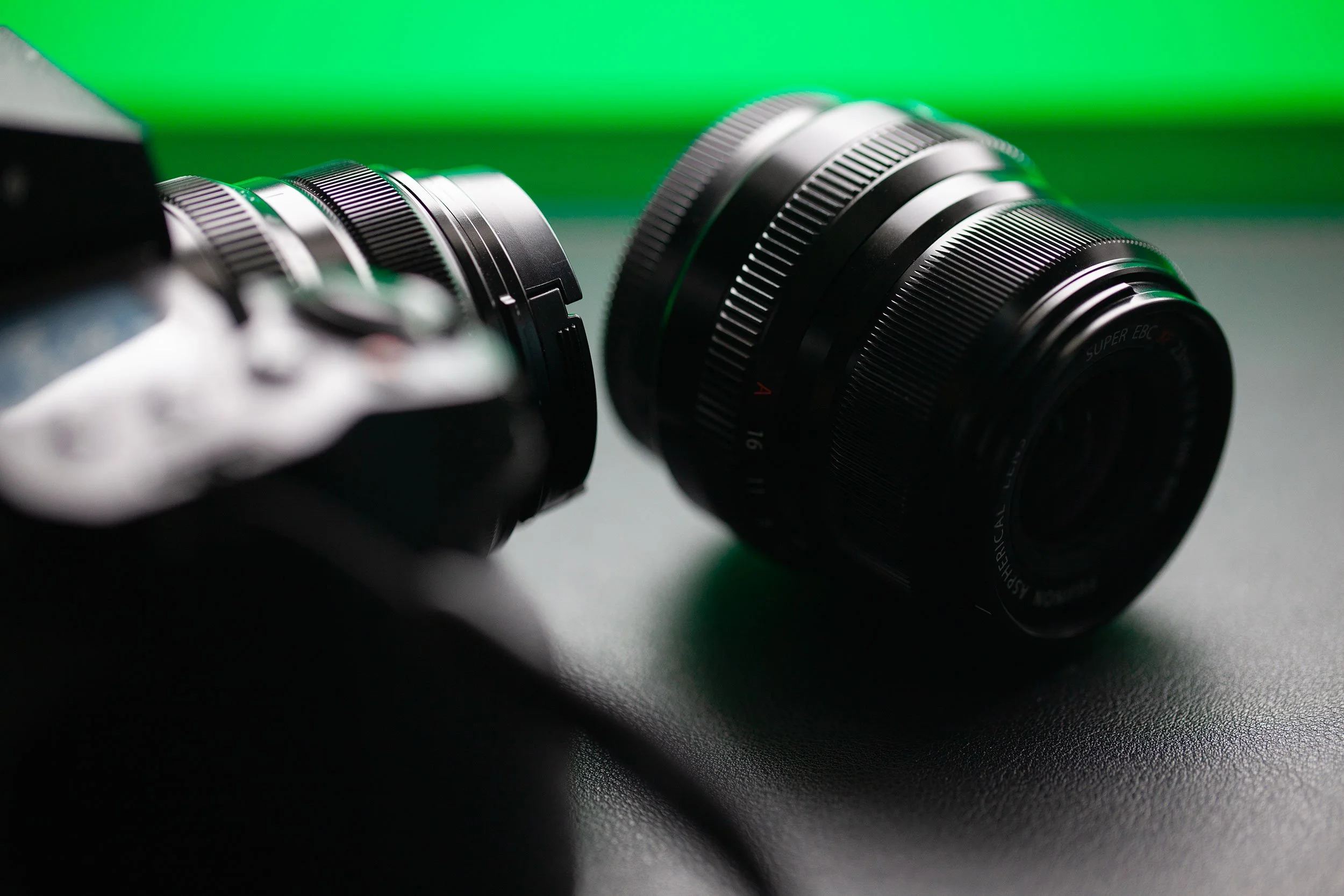
When I first got the X-H2 in late 2023, I leaned toward the 35mm as my go-to. After all, 35mm is a great focal length and works well on the X-H2 sensor across a variety of shooting situations. I had nothing to compare this to, and I picked up the 23mm simply because it was a good price ($349 CA), since I believe I had a rebate to use from the purchase of the X-H2. I wasn’t looking for a lens that could do everything; I just wanted something different. A bit wider, but not extreme.
I essentially thought the 23mm would be a secondary lens when the 35mm was too tight. I wanted to capture a wider scene during travels. However, it didn’t take me long to realize that the 23mm would be a significant addition. The 23mm sits in that sweet spot between a true wide angle and a standard lens, wide enough to take in a street or a room, tight enough that it doesn’t distort or exaggerate the way an ultra-wide can. Once I had it on the X-H2, in a weather-sealed, well-built, reasonably priced lens, I rarely switched back to the 35mm. This was surprising to me. But I preferred the wider angle and what that provided. When I switched to the 35mm, it felt way too tight. I was adapting to the 23mm quickly. The 23mm was the norm; the 35mm was not.
Why I Still Reach for It
This is the part that actually matters in a long-term review, because plenty of lenses feel great for the first few months and then start showing their limits, or you get bored. The 23mm hasn’t lost any of its allure. It’s grown with me as I’ve grown with the X-H2. It did most of the work during my travels in 2024 and 2025, and throughout Portugal this year: Lisbon, Coimbra, Nazaré, and Porto. However, I’ve recently made a greater effort to use the 35mm. I know how important a different perspective can be.
The consistency with the 23mm is easy to underestimate. Once I know a focal length well enough to compose without thinking about it. Switching lenses starts to feel like it’s getting in the way of that rather than adding options, because each focal length resets that instinct to zero for a few minutes while I recalibrate. The 23mm is the one focal length I’ve stopped questioning entirely, and after several years and this many trips, that’s not a small thing to say about a single piece of gear.
Why I Shoot With Primes
With a zoom, there’s always a temptation to keep adjusting: is this a little too wide, should I zoom in? That hesitation and contemplation is exactly what I wanted to avoid. I used to do it, and at the time it was normal, but now I can’t picture myself doing so. It seems like a minimal task, but it’s a task nonetheless, and I truly don’t like zooming or having the option to do so.
Travel photography is all about a moment; I want to eliminate everything I can that takes away from that. For me, it’s about capturing what is there, not manufacturing a scene. With a prime, there’s nothing to adjust, so the only variables are where I stand and when I take the photo, which are the two decisions that actually matter.
A prime forces the bigger decision to happen once, before I even begin my day, rather than constantly while I’m actually trying to take photos. That’s the instinct that’s shaped everything else about how I shoot: fewer decisions to consider in the moment, and more trust in me to make it work. It’s the same logic behind shooting JPEG instead of RAW: decide once and trust it, just applied to a lens instead of a film recipe (or both together).
Why Size and Weight Actually Matter
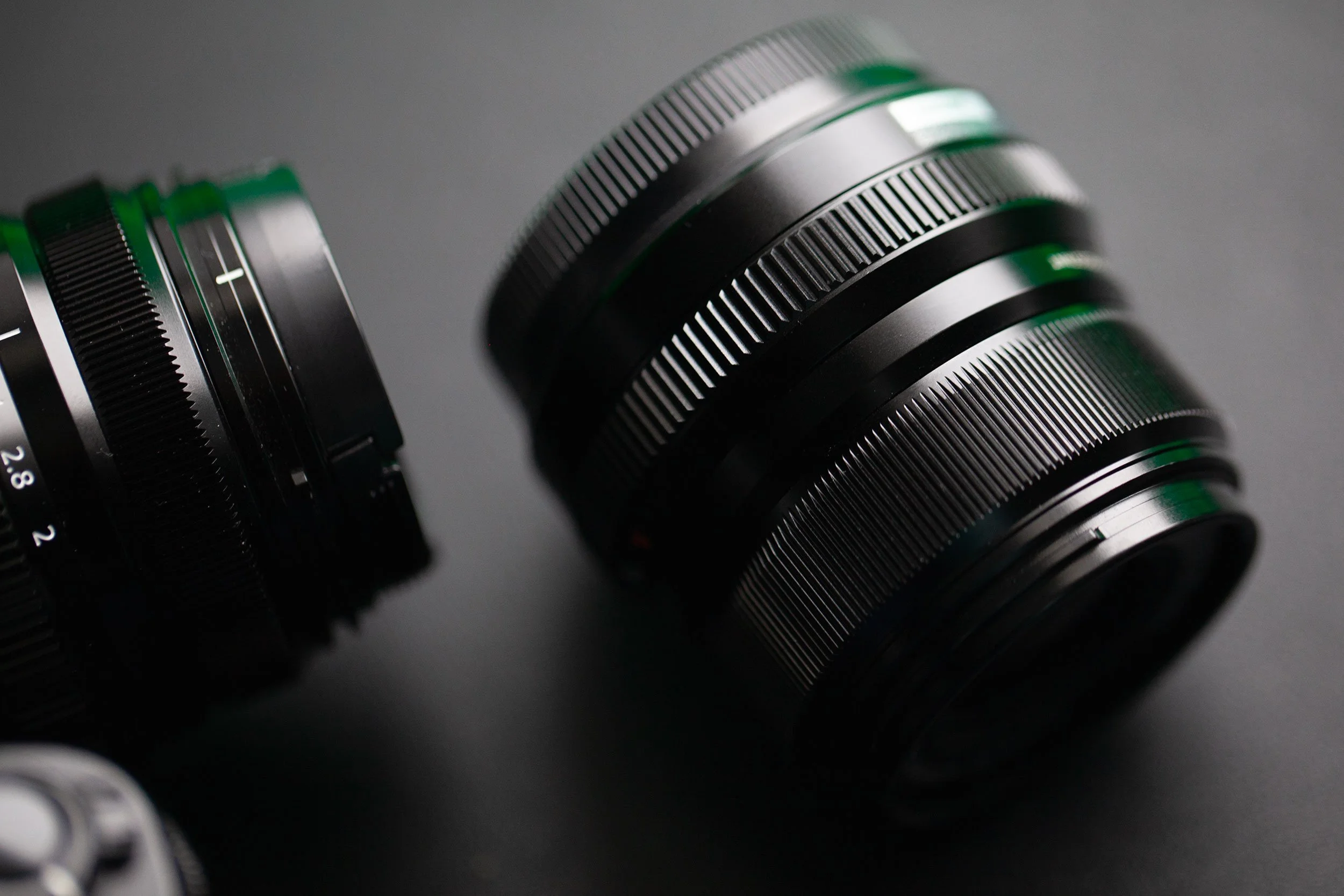
I shoot primes because I also don’t like how big zoom lenses are. They are not compact enough. And even though a zoom lens gives you options, it doesn’t actually simplify how I shoot. At 180 grams and barely over 50mm long, the 23mm disappears on the X-H2 in a way that changes how a full day of shooting actually feels. The satisfying click it makes when you attach it to the camera instills confidence. It’s solid, and it’s just there like it’s part of the camera. You barely notice the lens because of its size. To me, that’s a huge benefit.
A small, light prime is a huge part of what makes a day of shooting enjoyable. A heavier zoom changes how you handle a camera. And any weight added makes a difference during a full day out. A heavy camera can feel like a burden or at least a task, something you have to decide to lift and use consciously. A light one stays in your hand longer, wrist strap in place, not packed away in a bag. You raise it without a second thought.
It’s easy to overlook at first, but over a fifteen-day trip, that difference adds up to dozens of shots that wouldn’t have happened if the friction of reaching for the camera had been even slightly higher. Small and light aren’t just nice-to-haves; they’re a big part of my ability to stay active with my camera while exploring. I don’t know definitively, but I can assume I would have missed plenty of shots if I hadn’t chosen to cut down on weight and options.
Is It Worth the Cost?
As noted, I paid $349 for mine. Since I got my X-H2 on a holiday deal that included extras and rebates, I had to use my rebate before it expired. At a current price of $600 CAD, is the 23mm f/2 worth the cost? Overall, the lens sits well below Fujifilm’s more premium primes, without sacrificing anything in how I shoot. It’s weather-sealed, which is great, and for me, f/2’s fast enough for the vast majority of what I shoot. I honestly don’t need anything more than an f/2, since I’ll bump the ISO if needed, and the camera handles ISO noise just fine, in my eyes.
And the build quality: a proper metal barrel, a manual aperture ring that feels genuinely nice to use. It’s a high-quality lens; there is no denying that. It’s easy to assume that a “cheaper” lens must be cutting corners somewhere, but I haven’t found that. For what it costs, there isn’t much else in the Fujifilm lineup that gives you this much lens for this money, and after years of daily use, nothing about it feels like it was built down to a budget.
Why You Should Consider It
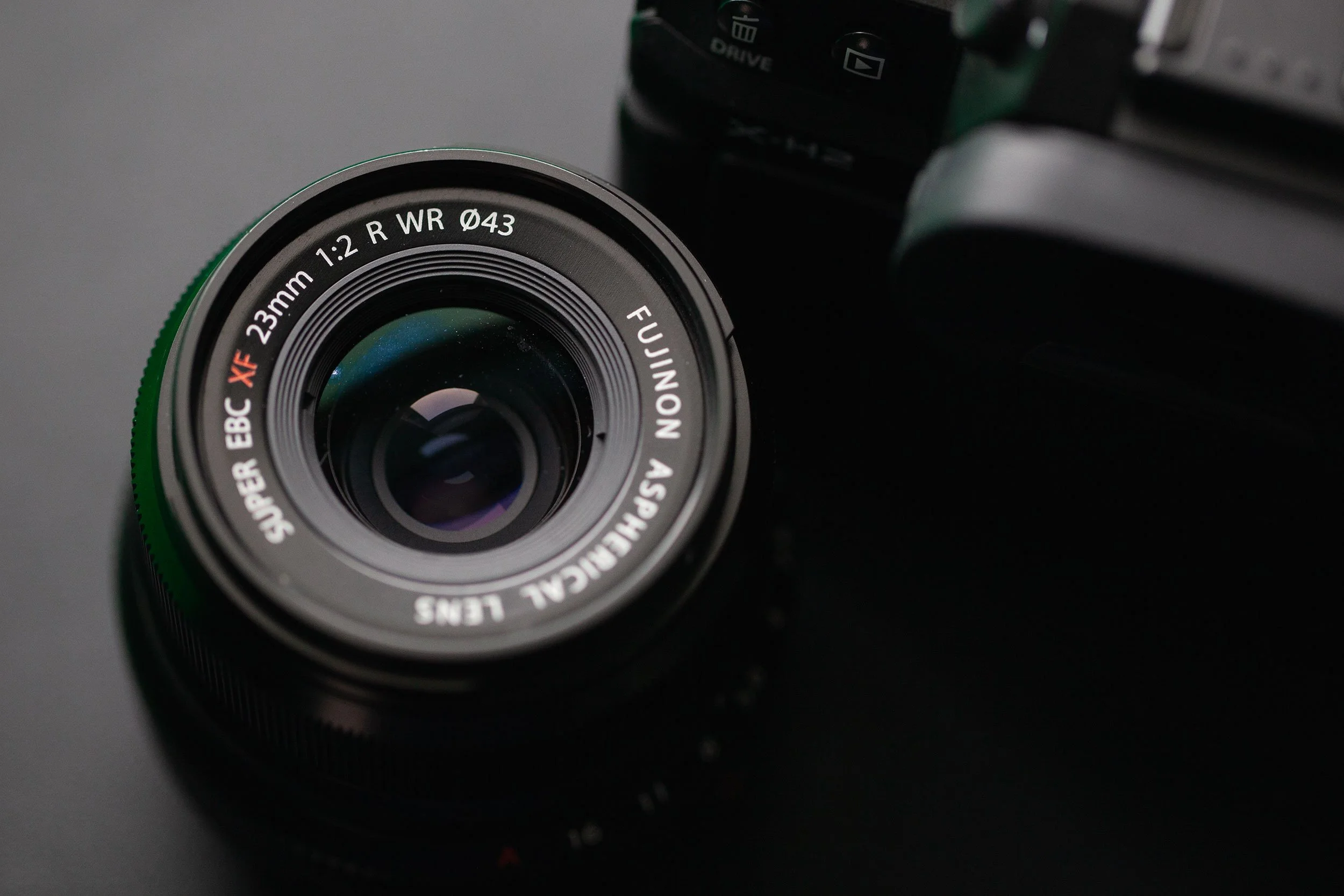
If you’re building a Fujifilm kit and trying to figure out where to put your money first, I don’t think there’s a more sensible starting point than this lens. The 35mm is a go-to for many, and I encourage you to try it too. The focal length could be perfect for you. But for me, the 23mm gives you that much more without being so wide it becomes almost unusable. It’s a great lens, and with the 35mm, it’s a great duo to have when travelling. I never set out to make it my primary lens, but it quickly became that. It’s my most trusted and proven Fuji lens I have used.