Elevate Your Story by Capturing the Details

Travel photography has a constant sense of discovery; what lies around the next corner is unknown, and that unpredictability adds excitement every day you are away. When travelling, it’s easy to come across something visually compelling, something that instinctively makes you lift your camera, and many of those images will stand on their own as strong photographs. Yet even when a photo seems to check every box, it can still fall short for reasons that can be harder to define. I’ve come home from an outing more than once with plenty of technically good images that, laid out together, somehow may not have added up to exactly what I anticipated.
What truly elevates travel photography is the story it creates as a whole. A collection of photographs from a place can guide viewers through your experience of discovery. When that body of work feels cohesive, it reflects the location’s essence and invites others to experience it as well. Viewers fill in the gaps with their own imagination, creating a more personal connection to what they see. Storytelling becomes far more impactful through a series of images than through any single frame.
While I don’t think every photo needs to tell a story, a single frame can be a great photograph and still say almost nothing about where it was taken.
Where the Story Actually Lives
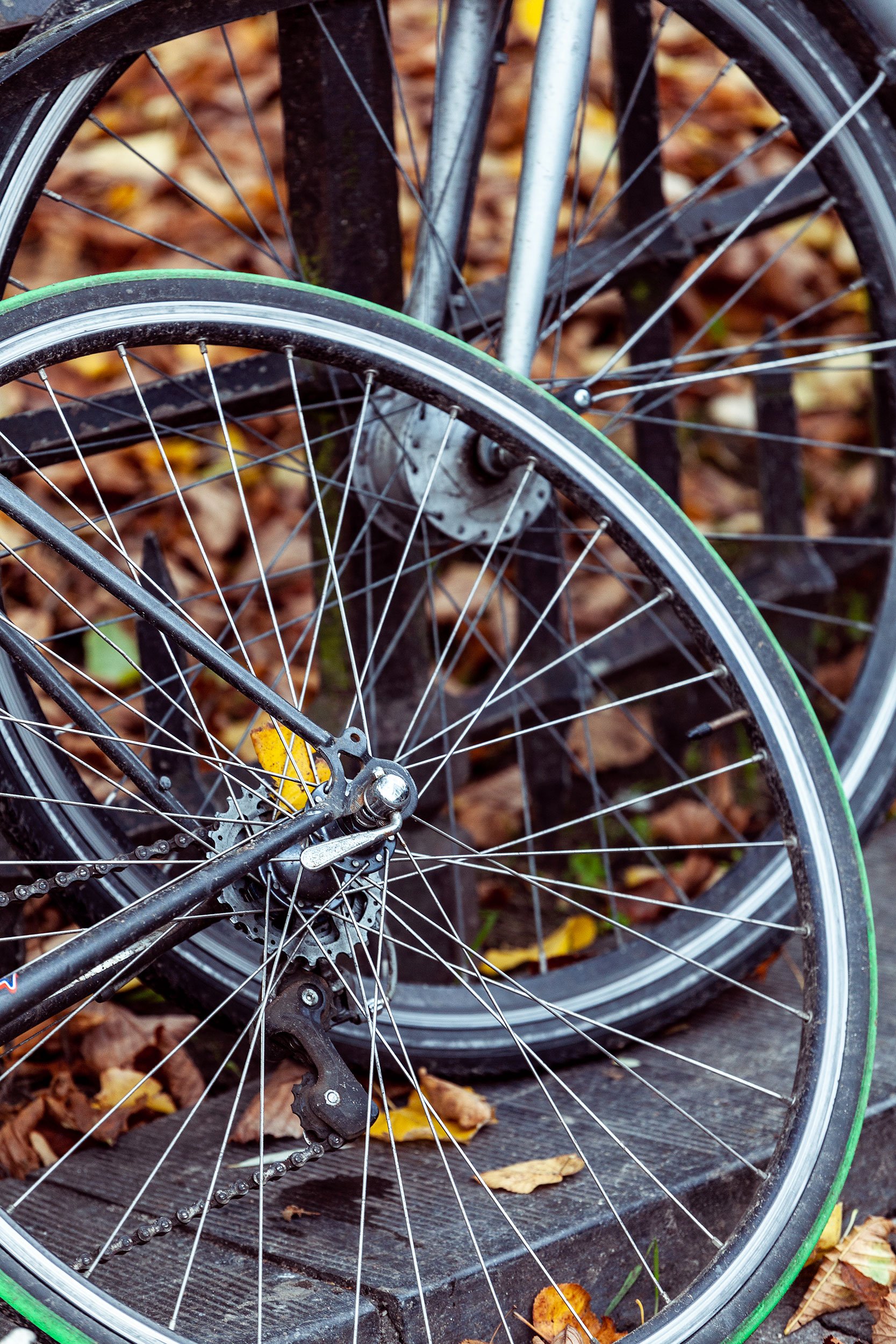
And that’s where details come into play. Detail shots add depth and personality, helping connect the bigger scenes into a more cohesive story. These can include local pets and other animals, local food, specific street signs, wall patterns and imperfections, doors, market items, or small everyday objects that reflect a place’s character. Small details make a place unique and intriguing.
Details can also include people going about their everyday life, reflections, shadows, and other interesting compositions you capture on your travels. These details can make your photos feel less random and more connected to the location. They go beyond the expected scenes; they interrupt expectations, giving viewers a stronger sense of place and inclusion and drawing them further into the experience. Details connect your viewer as they move through your body of work. A wide shot introduces a place. A detail shot lets someone feel as if they walked through it and discovered it for themselves. Without that connective layer, a strong set of images can read like a slideshow of separate images rather than a single, continuous experience.
Capture the quieter, in-between moments of a trip as much as the obvious ones. They may not be too impactful on their own, but they can matter once the whole set comes together.
You Won’t Know What You Truly Have
The interesting thing is, you may not even know what you have or how it will work until you start piecing it together. Some of these captures may seem pointless or uninteresting. I’ve found this true on nearly every trip I’ve shot. The photo that does the most work in a finished set is rarely obvious until I discover it at home, sitting in front of my monitor, when I take a second, more engaged look. Shoot more than just the obvious scenes; collect the pieces of a story you won’t fully understand until you see it come together.