Done Is Better Than Perfect
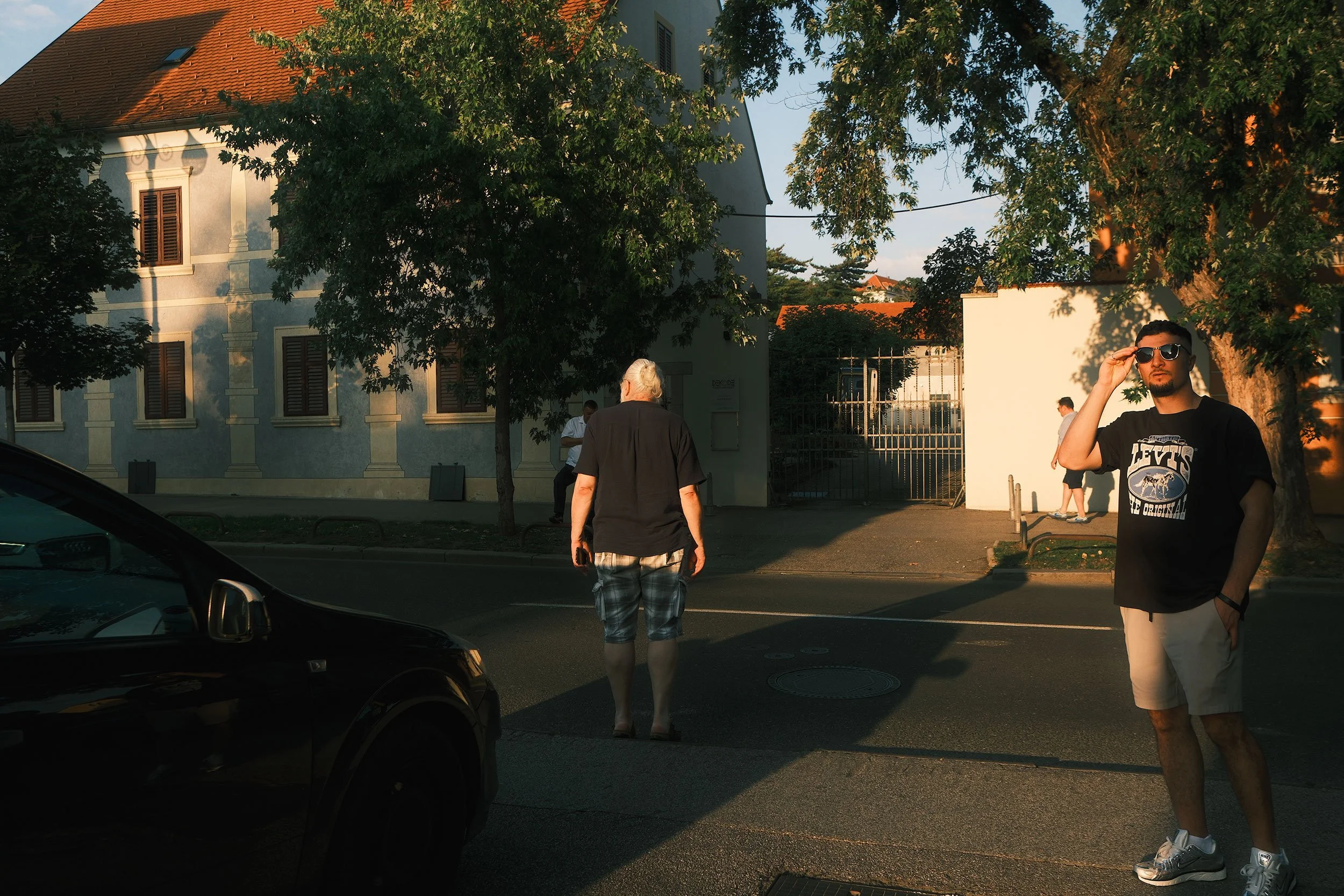
Zagreb - 2025
As photographers, we can be obsessive about the perfect lens, the best camera, or the ideal conditions. We can strive towards that perfect shot. And as we do so, we hesitate. Sometimes that hesitation extends so long that it doesn’t happen at all. Ideas and projects we envisioned and considered, the ones we had grown interested in, and the ones we have been wanting to start for a while never happened. They remain as is: only ideas, ones that are never realized.
Our obsession with details and situations beyond our control takes hold of us, and everything that could be a roadblock prevents us from taking the step towards creating something. Is this idea even good? Can I make it something I’m actually proud of? Who knows; it seems like a lot of work anyway, back to the drawing board. It all becomes overwhelming: that inspiration, those lightbulb moments, are pushed back into the archive, maybe never to be brought up again, and eventually forgotten forever.
We can easily make up many reasons not to shoot. Or maybe you never finish editing because you keep second‑guessing every tweak, and you avoid sharing your work because you feel it isn’t good enough. You waste time contemplating, with nothing to show for it. If you are looking for the perfect image and waiting for the moment when everything works out exactly as you envisioned, it will never arrive. The truth is, perfection will never happen.
And that’s why, when looking at your progression with photography, getting things done is better than getting things perfect. It might be the most powerful mindset shift you can make as a photographer. It’s the antidote to gear obsession, endless tweaking, archives of unseen images, and unrealized potential.
Why Perfection Can Hold You Back
Perfectionism sounds noble, after all, we all want to do our best with our art. If we aren’t striving to be better photographers, we’re just languishing in a rhythm, one that grows stagnant and uninspiring. However, it’s important to note that perfection is largely unachievable. A photo can be great, but it’s easy to find something you wish were different. And the longer you stare at it, the more the imperfections stand out. And the more you look around at others’ work, the more yours can seem to be lacking. The worst thing we can do with our photos is compare them to others, but it’s really hard not to! And when we do, it holds us back from discovery in our own creative outlook.
Getting it Done
Photography is a craft that only improves through repetition: shoot, review, adjust, repeat. We can do a lot from the comfort of our home; research can help us understand photography better, we can read books, we can watch videos, but we need to get out and actually do it. We need to experience it to learn and develop, and constantly strive for a place we are happy with. And I’ll tell you from experience: photos you loved at one time will look stale later. Some photos that you thought were fantastic may make you cringe later. It’s strange how we reflect on our work:
“I love this, and this is some of my best work.”
“What was I thinking. I’m terrible at this.”
But I don’t look at it as a failure. If you stare at something long enough, it becomes easy to pick it apart to the point of detest if you let it. If I don’t have anything to look back on, how do I improve? What is my motivation to push forward?
Conclusion
When you have an idea in mind, or a different approach to your photography, get out there and do it. Just try it, experience the fun and the failure; that’s the result. Getting things done, no matter what the result, is the first step towards success. You may fail, you may not. Maybe you reach that middle ground where you see the potential, and that’s what pushes you to proceed. You are getting it done, and that’s what counts.