A Lesson in Slowing Down
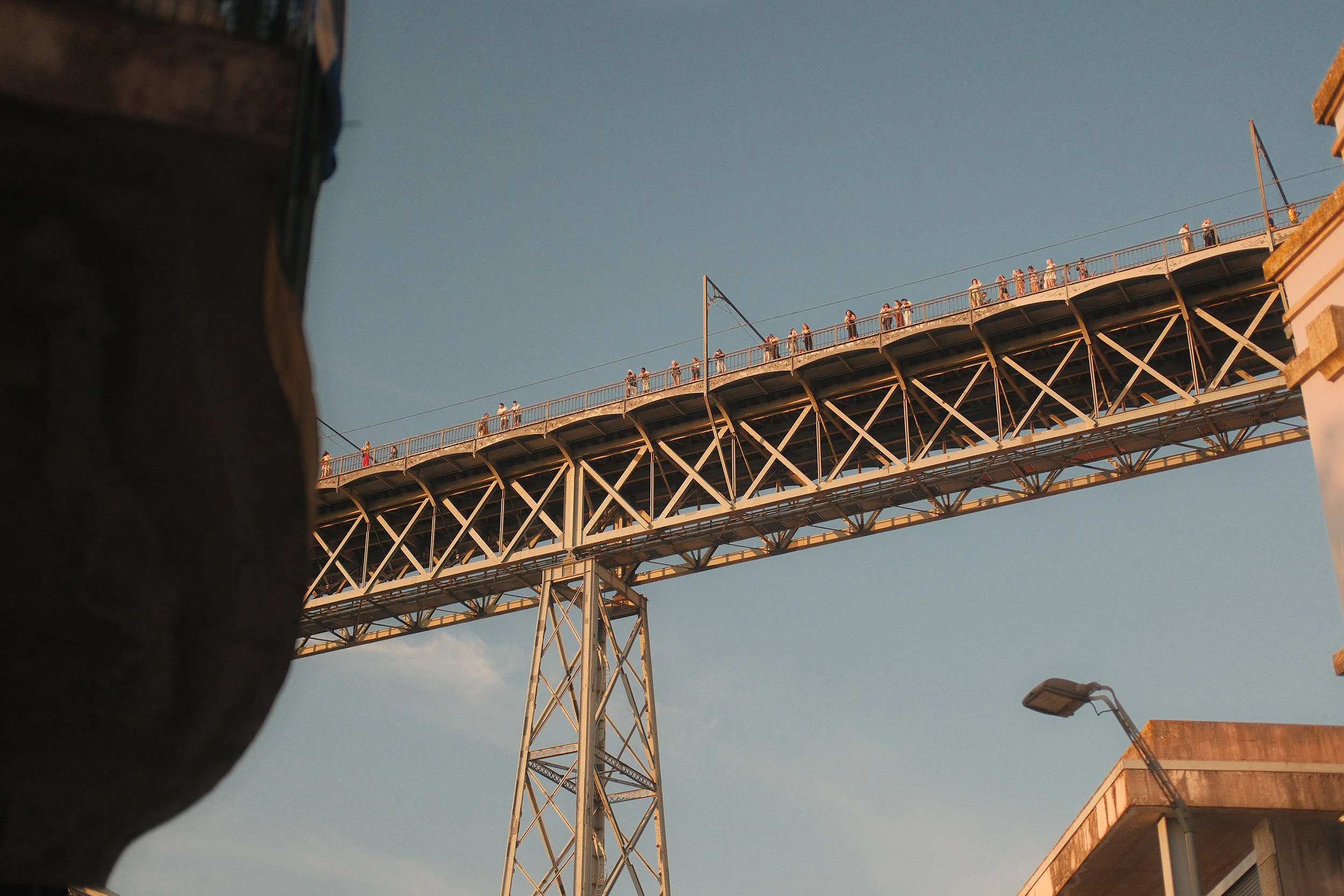
Porto, Portugal - 2026
I still think back to our 2019 trip often. It is strange how distant it feels now, like a completely different chapter in life.
Lisa and I had set out on what, in hindsight, was an incredibly ambitious European itinerary: seven destinations in under two weeks. At the time, though, it felt exciting rather than overwhelming. A big part of that confidence came from Lisa. She has always had a natural talent for planning trips, and after how seamlessly she organized our Iceland journey, I had no doubt this one would come together just as well. And it did.
Some parts of the trip were easier to navigate simply because of geography. In Belgium, we were able to move between Bruges, Ghent, Antwerp, and Brussels quite easily, each city offering its own distinct character while still feeling connected. From there, we made our way to Prague and later to Italy, where we split time between Milan and Lake Como. It was fast-paced from the very beginning, the kind of trip where you are constantly in motion, but somehow it all worked: short stays, multiple destinations, and a constant sense of movement.
Realistically, I do not often have the flexibility to take extended trips beyond a couple of weeks, so I have learned to embrace that rhythm. Of course, more time would always be welcome. I would have no trouble filling it. But something is energizing about making the most of a limited window.
That same mindset carried into my recent solo trip through Portugal. This time, on a solo trip, I planned to visit five locations: returning to Lisbon and Porto after four years, while adding Aveiro, Nazaré, and Coimbra to my stops. Naturally, I was excited. But along with that excitement came a sense of urgency.
It is a familiar feeling. The idea is that if I do not explore these streets now, I might miss them entirely. That tomorrow’s weather could shift, or my energy and focus might not be the same. That there are so many moments I want to capture, and if I am not maximizing every second, I am somehow falling behind. Underneath all of that is a simple truth: I do not know if I will ever return to these places. And because of that, every opportunity feels like it carries weight, and one moment in particular stands out.
Stop and Really Look
I was in Porto, making my way from my Airbnb toward the Luís I Bridge. I had been looking forward to getting to the bridge. It had been years since I had stepped foot on it; I knew how beautiful the scene was. But when I finally got close, I realized I was not just eager; I was rushing. I wanted to get there quickly. It was as if the photos wouldn’t be there unless I got there in a hurry. It’s an irrational thought, but it’s a familiar feeling. But somewhere along the way, I caught myself. Why was I hurrying? What is rushing going to do? I have plenty of time!
The weather was perfect. The bridge was not going anywhere. And more importantly, I was standing in one of the most iconic places in the city. Rushing through it made no sense. If anything, slowing down would give me more, not less, in both experience and what I could capture. So I did so; I deliberately slowed my pace.
I did not even take my camera out at first. Instead, I walked the bridge slowly, stopping when something caught my attention. I watched people pass by, listened to the conversations in different languages around me, and looked out over the Douro River without thinking about framing a shot. I watched the people move around below, the traffic slowly making its way through the streets; I let the moment exist before trying to capture it. The sun was in a good spot in the sky, the light was good, but it was going to get better. I had time. Only after crossing did I reach for my camera. That shift, small as it sounds, changed everything.
Photography, especially while travelling, is as much mental as it is technical. You are stepping into a place you barely know and trying to interpret it quickly, to understand its rhythm, its light, its energy. It is easy to dive in headfirst and feel like you need to produce immediately. That pressure can build without you even realizing it. But I have started to see that the better approach is often the opposite.
Taking a moment to understand where you are, why you are there, and what you are actually experiencing creates a stronger foundation for everything that follows. The photos come more naturally when you are not forcing them. And more importantly, the experience itself becomes something you genuinely remember, not just something you documented.
Conclusion
The drive to see everything and capture it all will always be there, especially when time is limited, but the moments that stay with you are rarely the rushed ones. They are the pauses, the quiet observations, the times when you let the place unfold in front of you instead of chasing it. The photos improve, yes, but more importantly, the experience deepens. And that, more than any single image, is what makes the journey worth it.