The Sentiments That Matter Most in Travel Photography
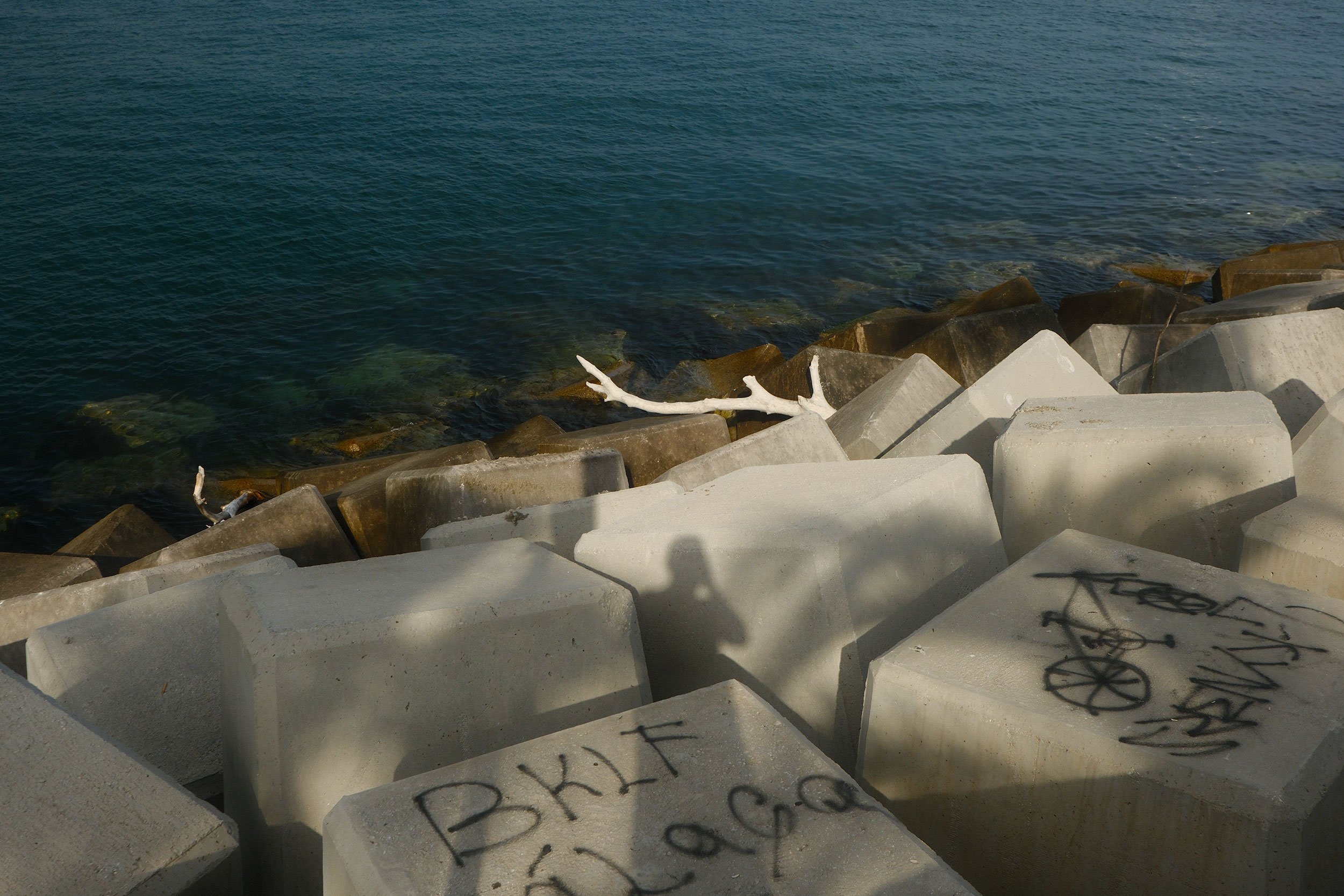
Malage, Spain - 2025
I’m wrapping up my time in Portugal. I’ve got one more full day here in Nazaré, then a final night in Lisbon before heading home. It somehow feels like I’ve been away for a month, in the best way. It’s been an incredible trip, but I’m ready to reset and settle back into home life.
The first night in Nazaré, I wandered down to the beach, which is steps from my Airbnb. As I exited the alley, the expansive beach stretched toward a glowing sunset. The light was unreal, those warm golden tones. My instinct was to get onto the beach quickly and lift the camera right away, and I did! But after that first shot, I slowed down. I stepped further into the sand, took a few moments, and watched the few people walking along the water. The sound of the waves, the seagulls overhead. It all settled in before I took another shot. I was in the moment.
Travel photography requires a connection. It’s about creating an experience we can unpack from just a still image. It’s up to us, as travel photographers, to create a story that resonates. And for our viewers, a story that makes them feel as if they were there, and, if not, creates the urge to go and the wonder of it all.
When we look back at our past travels, the photos that stay with us the longest usually carry a feeling. The feeling that goes beyond the photo itself and what is captured within the frame, we remember what transpired; the lead-up to it, and the experiences and feelings we had during that time. We don’t just see the photo, we feel what it was like to be there.
And that feeling, and everything that contributes to it, shares common qualities. They go beyond the technical details of what created the photo; they include a combination of characteristics: feelings, approaches, moods; it’s all part of what makes travel photography a lasting experience, not just a photo.
Authenticity
I’ve mentioned previously that flawless photos can lack emotion. When an image is overly controlled, overly clean, or overly focused on technical perfection, it can start to feel more like a crafted object than an experience. It leads the viewer to focus more on the technical side than on the experience behind it. Capturing photos that reflect what a place is like, both in its atmosphere and its inherent distractions, can add authenticity. Now there’s a balance here.
That’s not to say capture it as is; technical skill is important. We can pick up what was an artistic choice and what was a mistake with a new backstory. Composition, patience, and timing are fundamental skills that make a huge difference in a photo’s effectiveness.
But a real connection will be better than perfection. It should include that feeling of being there, and as it happened. It’s about the moment, and small imperfections are what make the image feel real. Life isn’t perfect, and our experience should reflect that. If it conveys a mood that goes beyond the technical aspects, it stays with us longer. It says with the viewer longer.
Curiosity and Discovery
Curiosity is one of the biggest drivers in travel photography. And with curiosity, a little bit of “unplanning” is required. It’s great to plan and have a sense of what you want to do and where you want to go, but leaving your time open and your tour schedule flexible will enhance your experience and the photos you capture. I can tell you from personal experience that a large percentage of my most memorable photos are from unplanned walks and exploration.
When you start looking back on your favourites from your trip and questioning exactly where that photo was taken, you are on the right track. These scenes and locations are not easily identifiable; as a result, they are interesting for what they reveal about a particular place and time.
To achieve this, I’d recommend keeping a loose itinerary and leaving plenty of open time to be curious. Walk around and discover; there are plenty of hidden gems just waiting to be captured, and none of them are on anyone’s “must-do” list.
Appreciation
For most of us, travel is a privilege. To travel, you need the time and means, and it seems increasingly challenging. Time is limited as more and more responsibilities consume our everyday lives, many of them serving to support ourselves and our families. Everything is getting more expensive, and a trip is costly. Costs are increasing in every aspect of travel, and sometimes it just doesn’t make financial sense to put your money into travel.
As a result, when the opportunity is there, when you do get to enjoy travel and see the world differently, there can be a sense of awe, but there needs to be a sense of appreciation to put it all together. The truth is, since travel is so personal and there are essentially endless destinations to visit with limited time, this trip and this experience could be the only time in your life you do this. Will you ever get the opportunity to come here again? To see these sights in front of you? If we enjoyed a place, we tend to leave with a promise to ourselves to be back, but will we ever? Life is unpredictable, and things may never align again.
Your appreciation for the opportunity is reflected in your photography. If you experience a feeling, it carries over into how you approach your photography and definitely shows in the years that follow. These are the photos that you revisit most often, the ones that remain as part of your portfolio, the ones that become prints in your home. Those are the stories, and the ones you want to share with others.
Connection
When you travel, you will be immediately captivated by the sights around you. There is always a picture to tell part of the story, but experiencing a place is so much more than the photo itself; it’s everything else that comes with it, new and foreign to you. The smells, the sounds, the overall atmosphere. The way of life for the local population, the way everybody goes about each day. It all comes down to the experience, and having that connection can enhance it.
This can also positively affect how you approach photographing the location. Knowing more about how things work and what is essential to that location causes you to gravitate towards it.
The strongest travel photos often feel connected to something bigger than the scene itself. That might be a connection to people, to culture, to a local rhythm of life, or even to the photographer’s own experience in that place. These are the kinds of images that feel human and lived-in. Connection is what makes a photo feel personal instead of just descriptive. It gives the viewer something to relate to.
What’s Next?
Look back at what you’ve already created. When you scroll through your travel photos, which images stop you in your tracks? Which ones do you linger on, and why? Try to remember more than the picture itself: what happened before the shot, who you were with, what led you to take the photo? Which memories, conversations, or little coincidences are tied to that frame?
Chances are, the images that still resonate are the ones that carry context: people, moments, moods, or stories, either alone or combined. Some of the most powerful travel photos are the spontaneous, unplanned ones; they can’t be ticked off a checklist. You can prepare for a trip, plan locations, and practice techniques, but you can’t script a feeling.
Your travel photography is not just an inventory of places and objects. It’s a record of experience: why you went, who you shared it with, and what you felt in that moment. Those are the details that keep a photo alive long after the trip is over.