The JPEG Shift: Shooting Intentional, Film-Inspired Images
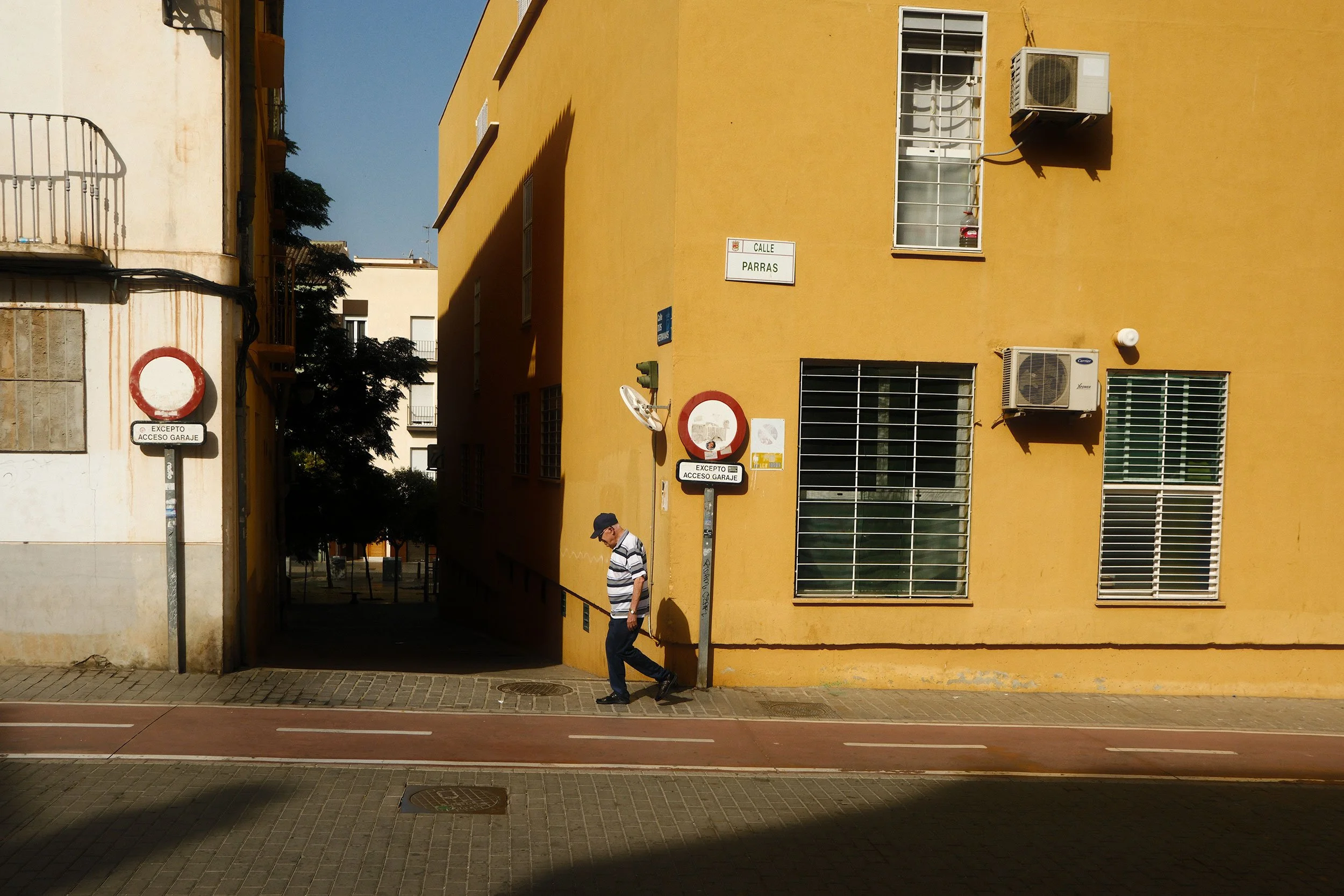
Malaga - 2025
I recently concluded over two weeks in Portugal, and for the entirety of that journey, I shot only JPEGs. Before this, my most recent travels were a combination of RAW + JPEG, but I consistently found that when I returned home and had a chance to look through the images, the JPEGs were the choice almost every time. I didn’t need all of those large RAW files. And when JPEGs are the default, film recipes should be considered.
There are many resources with creators sharing their recipes; there are essentially endless options for your digital photography, all captured in-camera. This flexibility allows anyone to create a unique look for their images, with some resembling popular film stock and a natural, consistent feel.
If you spend time browsing travel photographers’ portfolios or reading the conversations around their work, you’ve probably noticed a persistent conversation: more people are talking about JPEGs, “SOOC” imaging, and the cameras that make them look so good straight out of the gate. It’s not entirely new; Fujifilm has essentially led the in‑camera JPEG for years, using film simulations to let photographers shoot with a defined look.
We no longer assume an image only reaches its full potential in post‑processing. What is “full-potential” anyway? Is it technical mastery? Is it emotion? Is it something else? Can the camera itself deliver a strong, final version right there with the JPEG? They may give up some flexibility in their images, but is the trade-off worth it?
Genuine Connection
Interpretation of a photo is highly personal. Some consider an image that looks too clean to lack emotion. When every aspect is carefully edited, it can strip the image of that emotional connection. On the other hand, many viewers see slight “imperfections” not as detracting from an image but as adding to it, enhancing the human element they feel a photo needs. Even as JPEGs apply their own in-camera processing, and recipes and simulations further manipulate sharpening, contrast, and colour grading, there can be an inherent positive impact on a photo’s effectiveness as an experience.
To the casual eye, an image that is well‑balanced, consistent, and inviting often reads as “natural” even if intentional film simulations, custom profiles, or minimal post‑processing shaped it. This makes it easier to conclude that the photographer created it in the moment, not later at a computer screen. That conclusion is powerful.
For travel and street photographers, shooting JPEGs often comes down to understanding how your current settings interpret colour and tone, and how they present the scene as a whole. And for some, the move towards JPEG isn’t to replace RAW; rather, more and more photographers are finding ways to create their vision without relying on choices made after capture. They are not focused on defining that vision through post-processing; instead, they can do so with minimal, if any, adjustments, right away. JPEGs offer a faster, sometimes more intentional, and visually cohesive workflow than RAW files.
Speed and Creative Vision
For many, the shift to JPEG also helps speed up workflows or, for some, eliminates steps they find detract from the photography experience. Many enjoy photography for what it is: the art of capturing a feeling to have for yourself or to share with others. Their preference is to shoot, not to go through hundreds, sometimes thousands of photos after the fact. A JPEG workflow helps reclaim creative focus: shoot more, edit less. It’s about shifting that focus to what makes photography most fulfilling for the individual.
Conclusion
The move toward JPEGs can help focus a workflow. In fact, it can assist in the enjoyment of photography, especially if you prefer the act of photographing as the most satisfying part of the art. JPEGs offer a way to dial in a consistent, film‑inspired look in‑camera, share images quickly, and keep the focus on capturing the moment rather than tuning every detail later. With the right recipe or simulation, you can start thinking about how in‑camera settings shape colour, contrast, and tone. You can create images that feel intentional and finished, immediately. The popularity of JPEGs does not make RAWs obsolete, far from it, but it does make JPEG a far more expressive and intentional choice than a lot of people once assumed.