The Compositional Role of Shadows: Malaga Photography
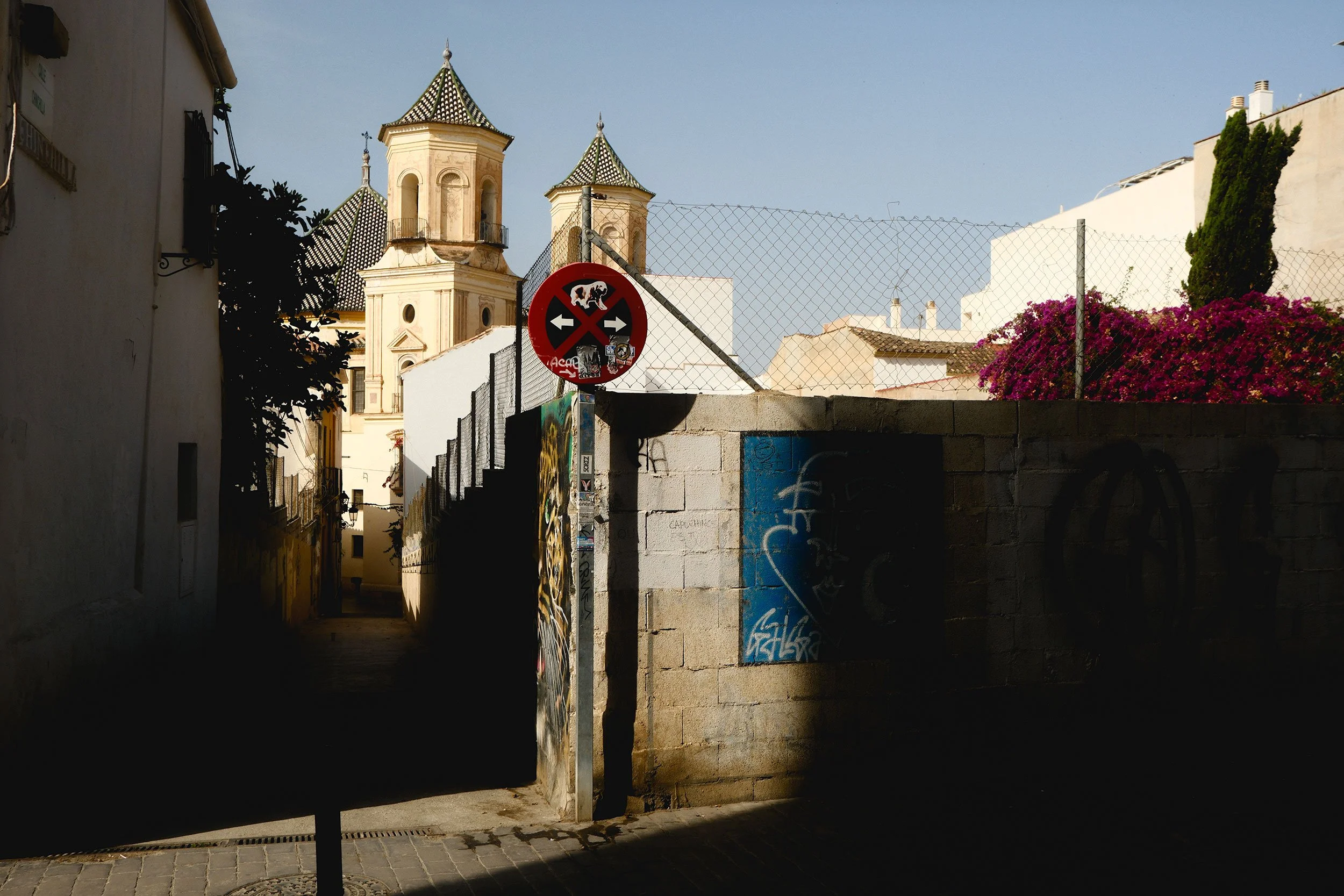
In a city like Malaga, particularly Old Town, you are fortunate to encounter many narrow streets that create fascinating patterns of light and shadow throughout the day. Even midday, when the sun is high, awnings and building overhangs allow for intriguing compositions. These shadows can intentionally hide some aspects while highlighting vibrant colours, shapes, and details, allowing everyday scenes to become ones with more depth and visual interest.
Using shadows strategically, you can guide the viewer’s attention to specific parts of the image, emphasizing what might go unnoticed. This technique elevates the composition, adding drama and intrigue, and creating contrasts that provide depth and draw focus within the frame. Moreover, the shadows in Malaga’s streets can frame a subject, minimize distractions, and enhance the overall impact of the photograph.
Shadows and light in a place like Malaga encourage exploration throughout the day, embracing the full range of daylight to capture bold, high-contrast images that tell a story through the language of light and shadow.
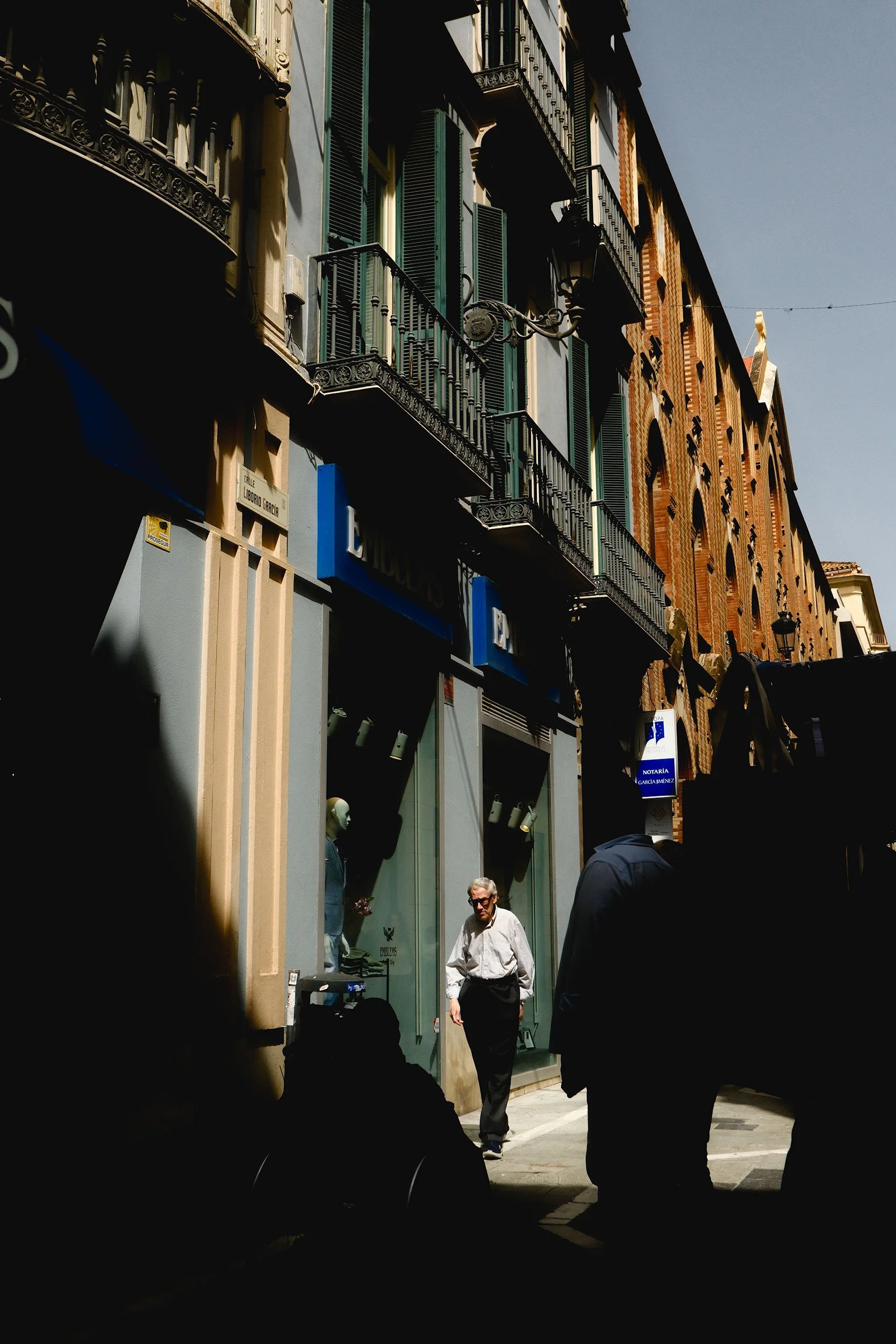
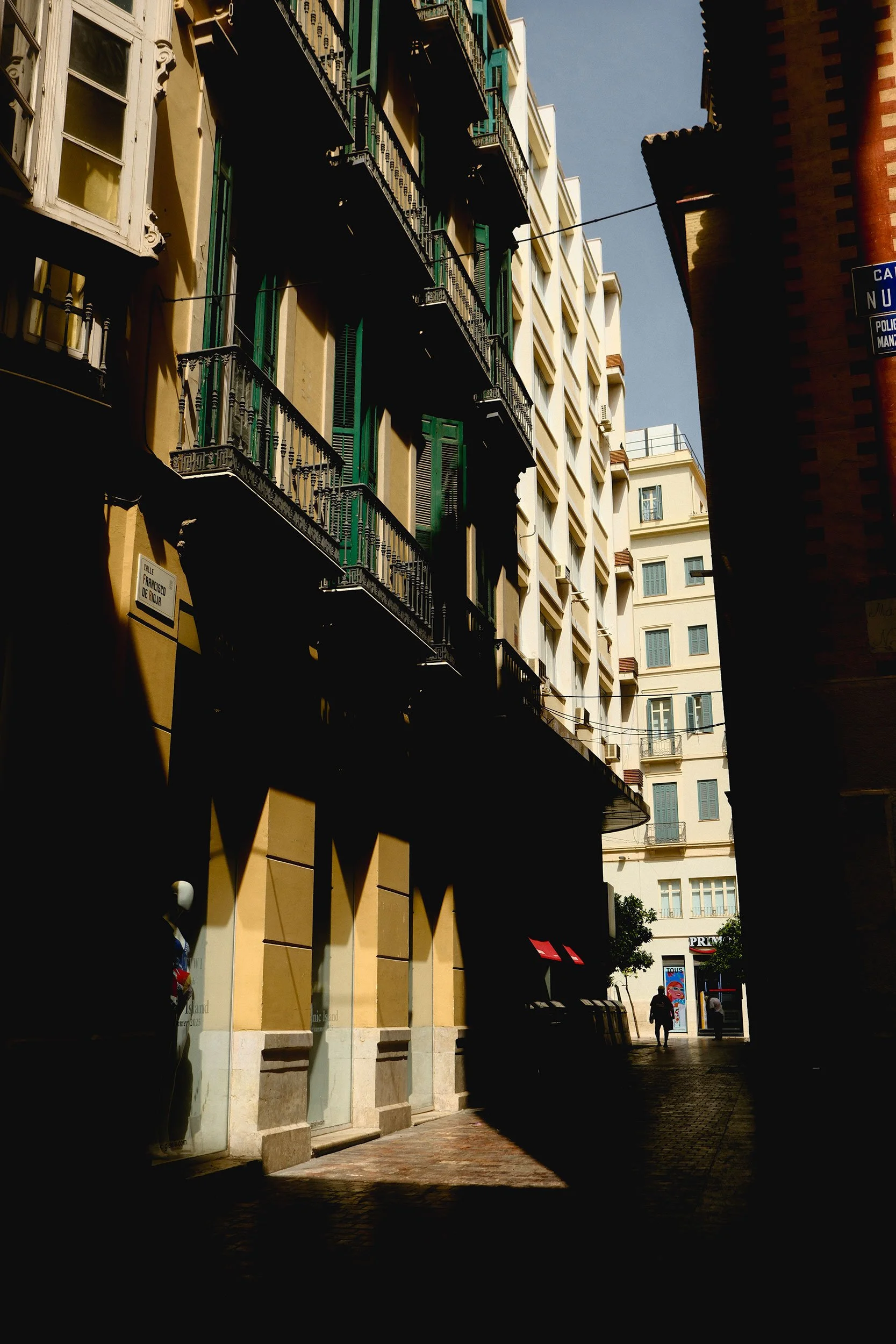
Light is the foundational element that breathes life into every photograph. Understanding how light interacts with your subject and environment is key; shadows, in particular, are one of the most valuable tools for creating contrast. They add dimension and intrigue by selectively concealing and revealing parts of the scene.
Consider the two images above. There are two main human subjects in each. Also, the narrow streets, architectural details, and colours become involved when shadows play across them. When shadows obscure specific information in a frame, they invite curiosity by highlighting other elements. Shadows convey mood and atmosphere.
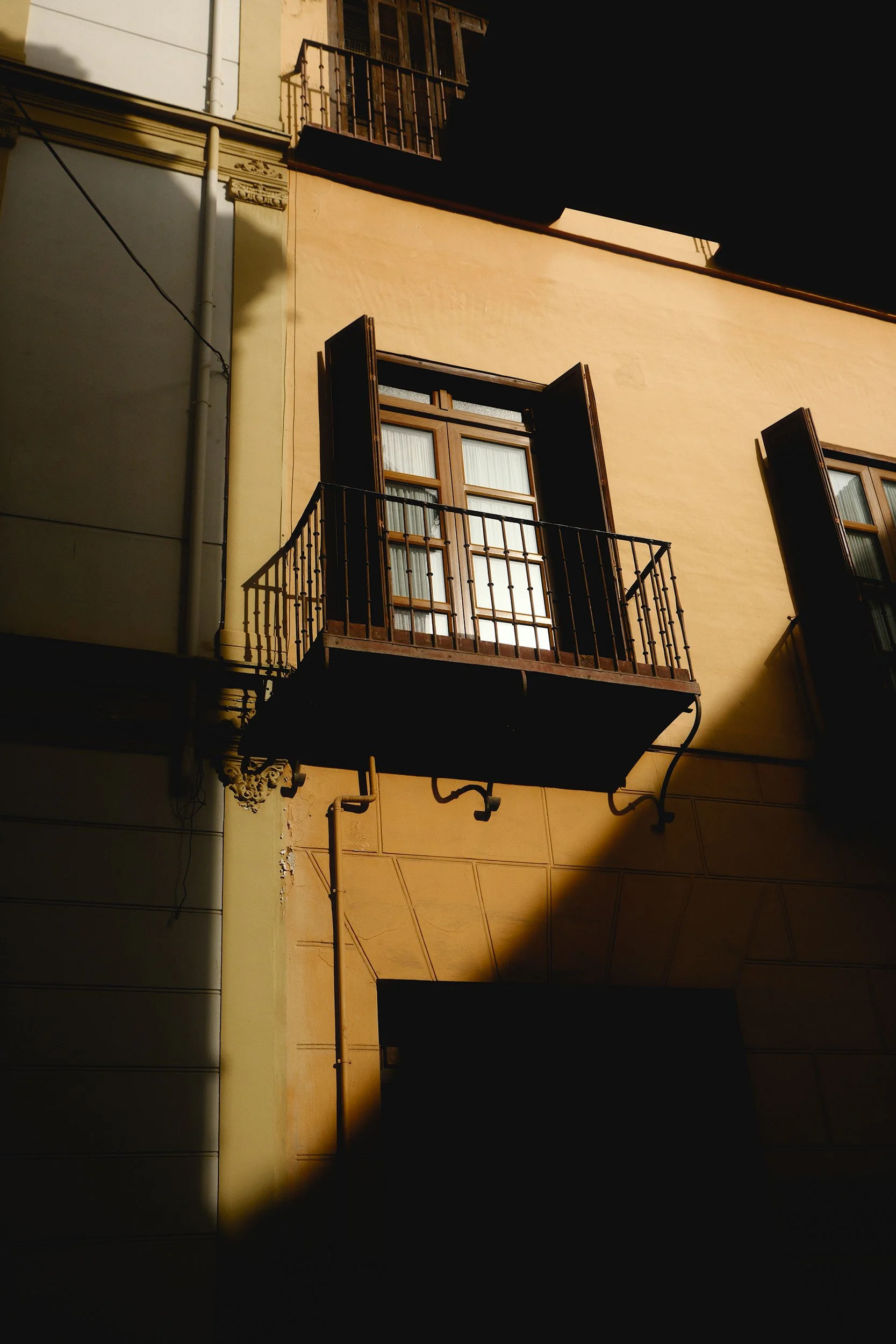
Using shadows in photography can transform an ordinary subject, such as the window above, into a visually intriguing scene. The window is obvious, but other subjects add to its story: the two opposite buildings casting the shadows. When light casts interesting patterns from nearby objects or architectural details, it creates dynamic shapes and contrasts that highlight textures and forms often overlooked.
Shadows in visual composition are often associated with concealment, mystery, or obscuring detail. However, their role is far more nuanced and dynamic. Shadows do not merely hide something; their presence can enrich and elevate an image.
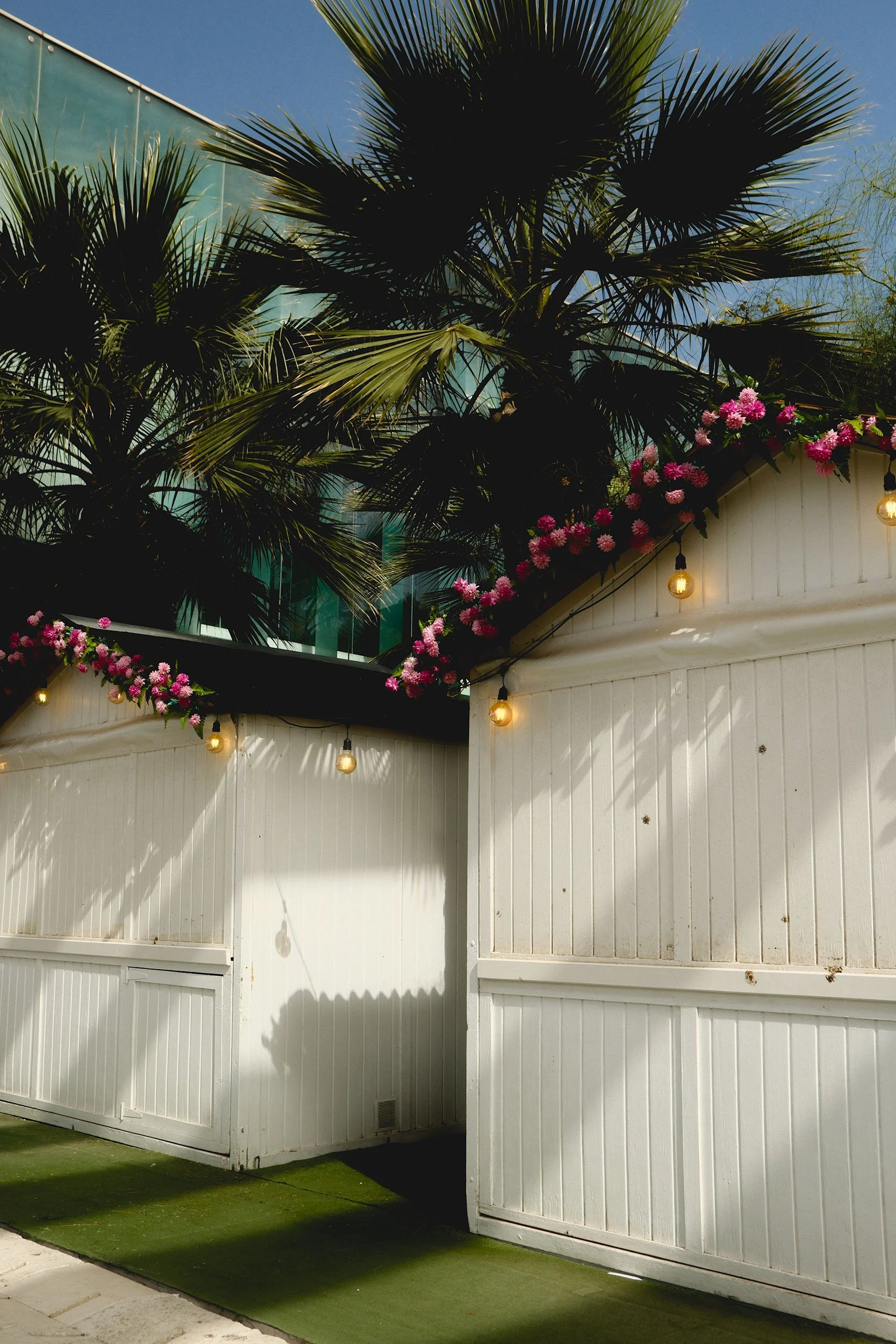
Take, for example, these two small shacks, upon which shadows are cast by surrounding foliage and nearby architecture. The shadows do not simply obscure parts of the shacks; instead, they become active compositional elements, introducing patterns, textures, and contrasts.
Summary
In summary, shadows are among the most versatile tools in visual storytelling, capable of transforming the mood, depth, and meaning of an image. It can enhance composition by directing the viewer’s eye, and shadows can introduce layers of mystery by concealment. Whether they obscure or reveal, shadows invite interpretation and can transform ordinary scenes into moments of involvement and curiosity. Shadows are a powerful narrative device.