Staying Inspired When You Can’t Travel: A Winter Motivation Guide
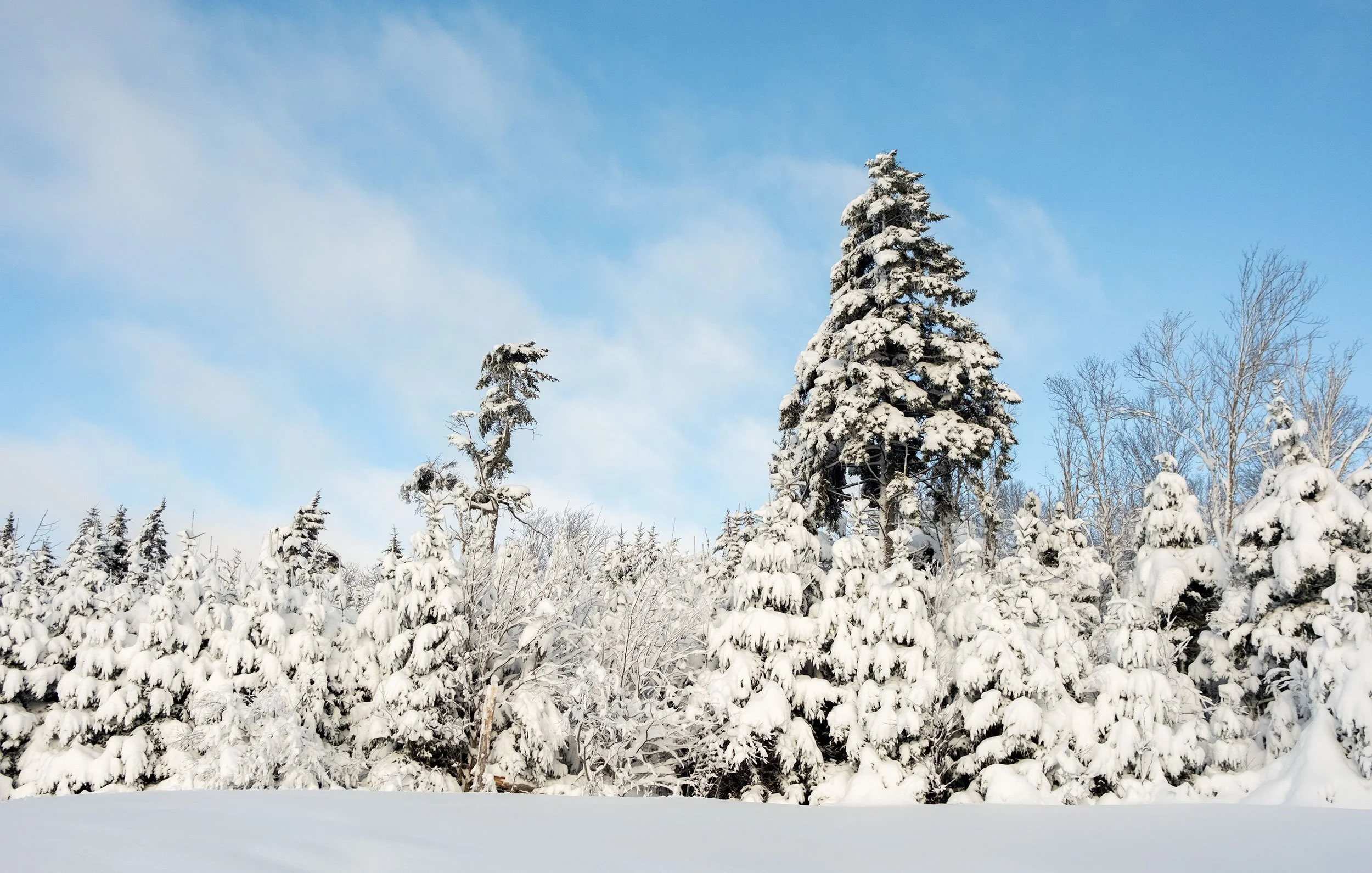
As I look out of my home office window and see the first signs of snowfall on the ground, I realize that the long winter is ahead; it’s just getting started. For me, this is a challenging time to stay motivated with my photography. A significant factor for me is where I live. I’m in Atlantic Canada, and our winters are not exactly terrible, but we can experience significant snowfall, wind, and generally unfavourable temperatures from time to time. Those colder temperatures can keep that snow around for a while and cause it to accumulate. The days are extremely short, and it's dark. All of that makes it difficult for me, as I don’t enjoy any of those things.
Some have the luxury of generally mild temperatures year-round, but the winter can become difficult for those who don’t. It’s challenging to stay motivated when everything becomes more of a process. When roads are slick, driving long distances is not optimal. Winter causes delays, and the idea of travelling anywhere in the winter has to be considered. Winter can also cause considerable flight delays, which can significantly impact a trip.
So, for those who feel their motivation dwindle during these sometimes long, dark winter days, I wanted to share what I do during this time, how I incorporate photography when I rarely have the opportunity to practice it in person. In no particular order, here are 10 steps I find most useful; steps that help me stay curious and connected with travel and photography through the days of Atlantic Canada's winters.
1. Edit Older Photos and Try New Styles
As photographers, our styles change as we evolve. What was once one of our best photos a year ago has become flawed. We start seeing what could have been, and as a result, we move on. We try different approaches and styles, and we have a unique outlook on our photography. So, when we look back at an ever-growing archive, we can see how we have changed. Everything evolves, and if we can apply a newer process to older photos, we can see new life in photographs we may have forgotten. Those you previously skipped may have a new life when you have extended time to really concentrate on what is in front of you.
It’s easy for us to miss opportunities when shooting, but it’s also easy to overlook what we already have when there could be thousands of photos to go through. Revisiting your older work with a modern approach can yield new favourites and overlooked memories brought to life. When you are stuck inside on the extended nights, this is the perfect time to dive in.
2. Read Books
Reading books can ignite both motivation and creativity by opening doors to new worlds, ideas, and perspectives. Photography books are great inspiration, but any book can help you maintain motivation. Continued intrigue, curiosity, and exposure to new stories and ideas fuel the mind to imagine, dream, and think in new and different ways. Fiction helps readers visualize a story, while nonfiction inspires action through real examples of perseverance and growth, stirring encouragement. The more we engage with visuals, words, and passages on the page, the stronger our ability to spark ideas and innovation and to find fresh motivation to create and achieve. This may result in personal project ideas either now or later, or the first scattered notes on something not yet identified.
3. Start Planning
Even if you’re not travelling right now or just aren’t feeling inspired to pack your bags, you can still start building the groundwork for future adventures. Personally, I keep a running Google Doc filled with travel ideas. Whether it’s a place I discovered online, a recommendation from a friend, or an interesting place I spotted on Instagram that I don’t know much about, it all goes into this ever-growing list. While some destinations might remain dreams, every note I add helps turn scattered thoughts into a real itinerary. As I collect more locations, I start noticing which spots are close together and could make an incredible multi-stop journey. Maybe I could link a few places in a single trip; should I fly between these locations or take the train? How much will accommodation cost? Laying out these small steps, even for just 5 or 10 minutes a day, brings big travel goals within reach and means I’ll be ready to board when spring finally arrives.
Essential things to be aware of:
How far is the airport from where you plan to stay (city center, areas of interest, etc.)? If it’s far, try to arrange a ride beforehand. (Don’t get ripped off!)
Where is the train station in the city (trains are cheaper than flying, and can be more convenient as a mode of transportation from city to city)
Airbnb? How late is check-in? Is it self-check-in?
4. Set Personal Goals
Setting daily goals is what keeps me grounded and focused. Without them, I quickly lose direction and motivation. Whenever I skip a day, it becomes all too easy to fall into a pattern where skipping turns into a habit. That’s why it’s crucial to hold on to personal goals, even when energy and drive are running low. The key is to craft truly manageable goals; challenging enough to give a real sense of achievement, but not so complex that they feel overwhelming or out of reach. Hitting those daily milestones brings a powerful sense of accomplishment, sparking a mental and physical boost that fuels the momentum to keep going. Success breeds more success: as you notice how good it feels to meet your goals, that rewarding feeling becomes addictive. Small, consistent steps add up to significant changes, revealing just how much can be achieved through dedication and steady effort. Your mind and body will thank you for it.
5. Start Your Photography Book
If you have ever considered creating a photobook, winter is an ideal time to start. There are plenty of options to produce your book; getting started on the design can take some time. Some vendors offer templates, but for the most personal attachment and meaning behind your book, I’d recommend designing it from scratch. Personally, I think InDesign is the best program for creating a book; there are various ways to produce it.
I will say that having a good book usually takes years of photography. The worst thing you can do for a book is to rush it and have filler images that are ok, but not necessarily what you would consider your best work. Take your time and curate images over time. This winter season may only be a step towards a final product at a later time, but gathering images and discovering the theme you want your book to have are essential steps towards an eventual book that you will be happy with years later.
6. Discover Your Inspiration
Photography isn’t just the act of capturing photos; it’s the elements around it that make up the full enjoyment of the craft. The curiosity, connection, and inspiration. Seek out photographers you admire, not only for their photography but for who they are: their perspectives, their writing, and the ideas behind what drives their work. Learn what ignites their passion and how they stay grounded in their creative path. Staying motivated in photography is about understanding the intention behind it. Reading about how others pursue meaning and fulfillment through their art can help you uncover what fuels your own creativity.
Inspiration doesn’t have to come solely from other photographers. It can live in travel writing, movies and TV, music, podcasts and more. The art, stories, and experiences that resonate with you all inform your vision, shaping your motivation and how you see the world.
Final Thoughts
Winter can be a significant challenge for some, especially those with long, harsh winters. It can affect you mentally, directly impacting motivation and drive. But months spent near home can offer their own opportunities. Embracing these months requires finding meaning in the acts that can elevate your motivation and keep it fresh for the warmer, vibrant months to come. Creative growth is still an option, but it may need to be discovered with new directions.
Each time you revisit your older work, pursue a creative idea, or sketch out plans for future journeys, you keep your passion active. Many creative outlets don’t require you to dedicate hours at a time; many can be done in increments that build momentum towards something bigger and more complete.
Let this winter be a reminder that creative fulfillment and inspiration don’t always depend on travelling itself. But you need to adapt. Even though the nights can be long and the weather unfavourable, the winter will yield a new season of travel and discovery.