How I Shoot JPEG+RAW With Fujifilm (And When I Skip RAW)
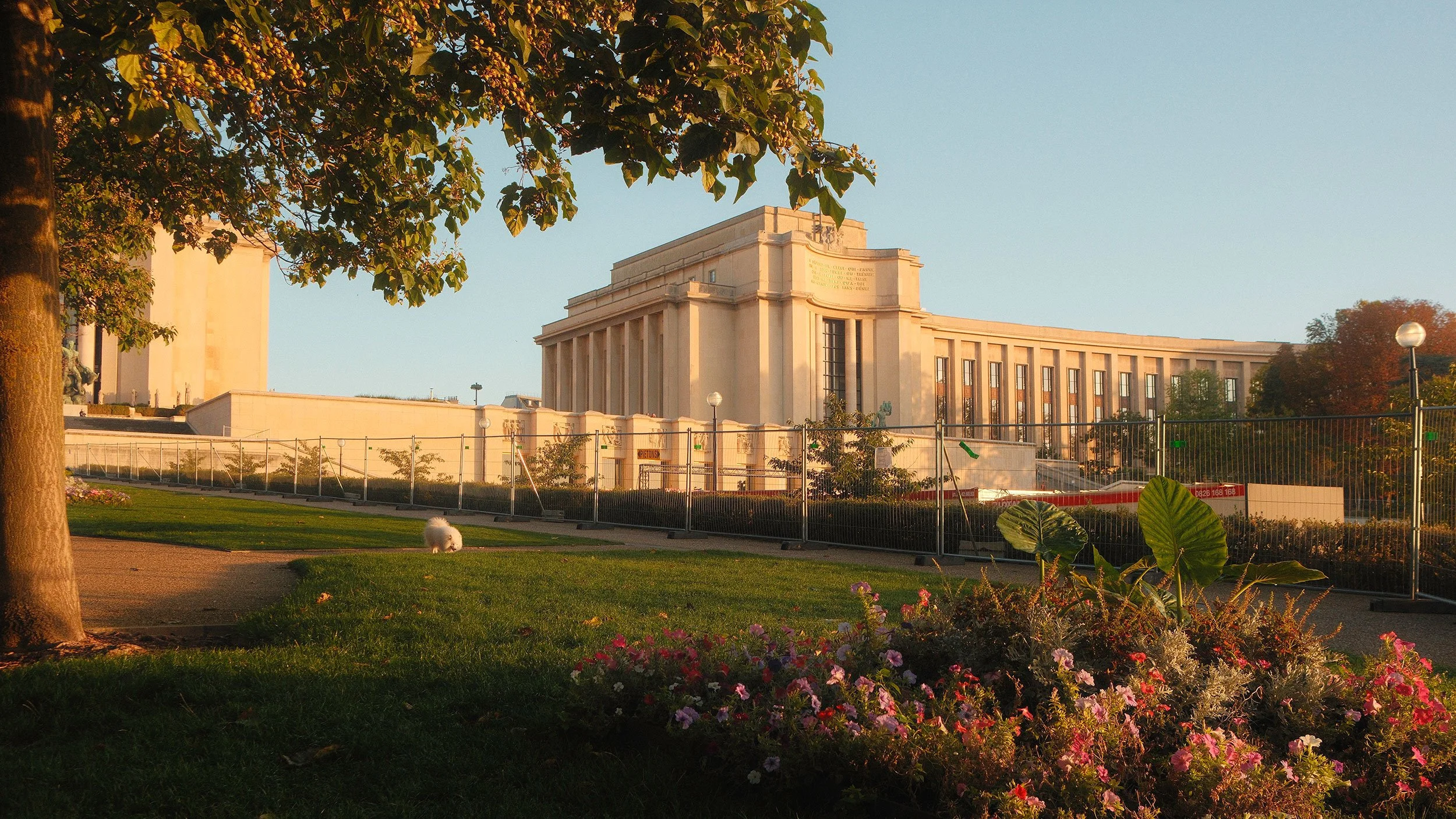
Paris - 2025
I’ve been shooting Fujifilm long enough to know that the usual “JPEG vs RAW” argument doesn’t really fit here. Fujifilm’s JPEGs, especially when you dial in that perfect film simulation or custom recipe, can often come out so close to the realized vision and tone that they deem RAW files unnecessary. But there are still trips, and awkward lighting scenarios where I’d kick myself if I didn’t have a RAW file as a safety net.
In this post, we’ll look at the situations where I still shoot RAW, as well as where (and how) to gradually reduce your need for RAW and get to a place where not only does JPEG make sense, but it can also become your preference. This is not to convert you away from your current workflow, only to show how this approach has sped up my editing, made sharing simpler, and given me more focused attention to the experience and subjects in front of me.
Why Fujifilm JPEGs Are Good Enough (Most of the Time)
To start, I prefer JPEGs when travelling, but that comes with some considerations. First, I think a great Fujifilm recipe can be difficult to pin down as something you will use regularly, and part of this indecisiveness stems from the plethora of recipe options. They are everywhere, and new ones appear every day. Now I won’t get into how to choose a recipe, here, as you can read more about that in this post, but once you find a recipe that helps you realize your vision and intentions, there isn’t much sense ever touching a RAW file.
At first, it may be surprising to see how usable JPEGs can be straight out of camera. With the right film simulation and a recipe you trust, the files often land very close to how you envisioned, without spending any backend time editing. Colours feel intentional, and the overall look is close to “export-ready” as soon as you see the previews in Lightroom. I find that some of my JPEGs require a few seconds of tweaking, usually related to exposure.
That doesn’t mean my JPEGs are perfect, but it does change how I shoot. I’m much more focused on capturing the feeling than on worrying about how I will achieve it later. I focus on being more of a photographer and adventurer than being an editor or “retoucher” per se. The JPEG becomes the version that best represents my experience.
How I Set Up My Camera for JPEG+RAW
On my Fujifilm body, JPEG+RAW is the default. Any recipe I use captures both formats. I keep the JPEGs at full resolution and highest quality, then pair them with RAW files. I have it set to send JPEGs to the SD slot and RAWS to the CFexpress slot. That’s just a personal preference of how I capture images.
I’ll choose a film simulation and recipe based on the kind of shooting I’m doing that day or a certain city I am in. I keep it my choice for the entire time I am there, shooting, shifting to something different if the weather is different, affecting the light and contrast. This is where I usually go black-and-white; however, given my lack of black-and-white images, you can probably see that I don’t particularly enjoy shooting in colder or unfavourable conditions.
For dynamic range, I’m mostly a DR400 guy, and I know that can affect the RAW file as well. However, the RAW file remains flexible. I can shoot with confidence knowing I have a “finished” version and a “just in case” version every time I press the shutter.
Where RAW is Necessary
RAWs are hugely beneficial and come in handy when you are using a new technique or an approach to your photography that is more experimental than natural. They are also necessary for any professional work where clients demand the best results. The flexibility that comes with RAW is unmatched, and a JPEG will never allow you to do extensive editing, layering, colour correction, and more.
For these reasons, I almost always shoot my automotive work in RAW, even outdoors in daylight. Any colour push or experimental shift in presentation, for the most part, does not benefit automotive photography. Automotive photography is quite particular, and if the colour is pushed too far, it can be undesirable. The colour of a car is usually something you want to keep as close to the original as possible. However, that’s not to say I have never used JPEG files; I have only when the flexibility was there and I was given full creative control.
As the scope of my client work is in automotive photography, RAW files are captured for all photo shoots. I’ve graduated to using only my Fujifilm X-H2 for that work, whereas before I used the older Canon 5D Mark II. I needed to use both cameras on the same shoot before I got comfortable with moving towards the Fuji exclusively. I also needed a photoshoot with extended time to experiment, which is not usually the case. When you have limited time and opportunities, you need to be as prepared as possible and confident in using the tools. Having the flexibility with time really helped me make that transition.
When JPEG is Preferred
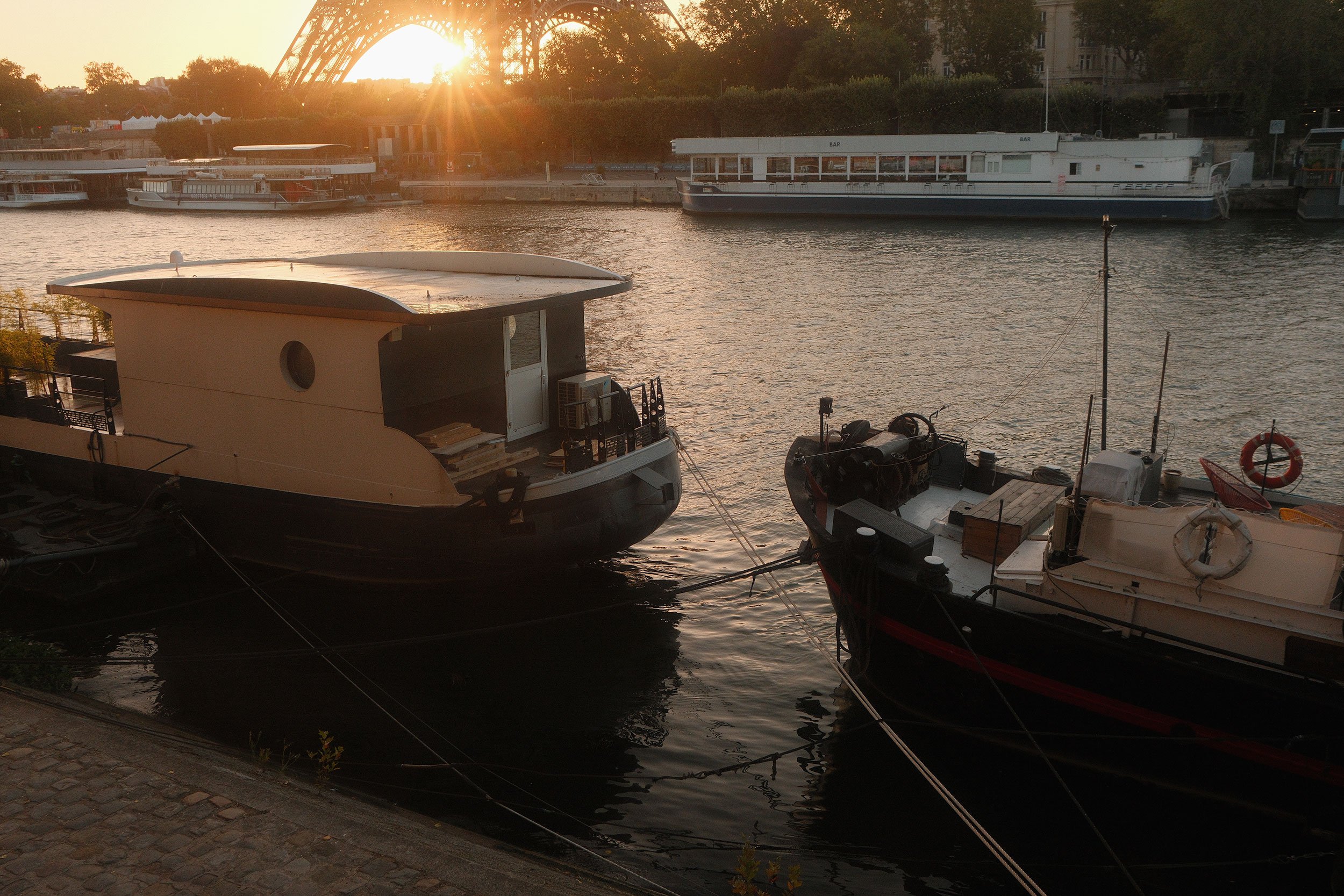
I prefer JPEGs for my travel work. These are my personal photos that do not have to meet the level of precision demanded of professional travel photographers. As I’m shooting for myself, I can do whatever I want, and JPEGS are definitely the way forward with my travels. I’m not only able to capture thousands of images on my travels, but even when I capture a few hundred, the absence of RAW really frees up space both on-location on flash media and at home on hard drives. RAW files are big, and hundreds of them can take up substantial space. Some may consider that the trade-off for having RAW files, and the cost of doing business (more storage), and I tend to agree, but after many trips without using RAWs for the finished and presented photos, I’m almost convinced I don’t need them all.
For any new recipes I’m trying, I always capture both JPEG and RAW; for established recipes I’m familiar with, I switched to JPEG only. I’ve noted numerous times before in my posts that constraints are good for your photography. Limitations require thought and consideration, and without a RAW file to fall back on, I have to be really sure this recipe works for me.
How to Transition to JPEG Only
If you’ve been a RAW‑only shooter for years, moving toward JPEG can feel a bit risky, even if you trust Fujifilm’s files. Instead of flipping a switch overnight, treat JPEG‑only as a handful of small experiments. Pick one low‑stakes outing, an afternoon walk, a coffee run, a familiar spot you have shot before, and capture JPEG+RAW.
Stick to one recipe per session. When you import your files, compare them side by side, which is easy to do in Lightroom. Then ask yourself what works for you and what doesn’t with the JPEG. Play around and edit the RAW, try to get to a place that realizes your vision and intention. Does the RAW file actually help you change this image in a meaningful way? Most of the time, especially with everyday shooting, the honest answer is no. That’s where the confidence starts to build.
From there, you can slowly widen the situations where you’re comfortable with JPEG‑only. On your first travels, be sure to capture both formats, but note how many JPEGs end up as your final images and which are RAWs. It’s also important to note how much time you saved in your editing workflow. Save RAW only when warranted, and start getting more comfortable with the limitations of JPEG in your personal work.
RAWs will always have a place in my work, and the flexibility of such a file cannot be argued. I still shoot RAW, and I still enjoy sitting down to edit a photo I’m excited about. There will absolutely be situations in travel where I prefer a RAW file. However, JPEGs are really good when used correctly, and lately my reliance on RAW files has been diminishing.
Conclusion
Photography is an art, and like any art, it is subjective. That includes both the art itself and how it is approached and realized. It’s always going to change, and that’s what makes it exciting. Your approach is going to change, and your tastes will too. There is always something new to do and new to try. There are new places to visit and subjects before us. How we see that is not how others may, and how we work to turn those visions into a tangible format will differ for everyone.