Beyond the Landmarks: Finding Unique Subjects and Compositions When Travelling

We have all been there: the desire to make photographs, but our attempts to create come up flat; our inspiration continues to decrease. This can happen anywhere and anytime, but it is increasingly frustrating when our inspiration is lacking while travelling. When we travel, everything in front of us is new and fresh, but every scenic view seems uninspired; every landmark captured a thousand times before seems like another generic take. We are in a funk, and everything is lacking. What can we do?
I’ve travelled to a few locations where the photographic opportunities didn’t match my expectations. Was it a lack of subjects that inspired me? That feeling that there is nothing to photograph is usually because we don’t see things exactly as anticipated. It’s easy to get caught up in what to expect, but when we experience something else, we can easily be thrown off, and our photography can suffer.
Photography is a technical process, but also a mental one. It is a mental process in which even minor distractions can get in the way of our exploring and creating as planned. And with travel, as so much can be caught up on planning and execution, pivots can cause real creative roadblocks. This post will be as much for me as it could be for you: a checklist of tips I sometimes need to remember. Tips I consider when travelling to get meaningful photos when I feel nothing is working.
Look for the Details and Secondary Subjects
When travelling to a new place, it’s easy to get overwhelmed by the grand sights in front of us. The most popular sights are recognizable from other photos we have seen. However, it’s essential to slow down and note what might be considered unimportant at first. I find this one of the most interesting aspects of photography: identifying what’s intriguing about seemingly non-interesting things. It’s also one of the most challenging, as what we first consider insignificant are usually the potential subjects we pass over as we take in the larger picture. The smaller details are essential as they can add context to our story and be an interesting addition to our work. When we add details, those elements can stand out.
Look for Contrasts and Colours
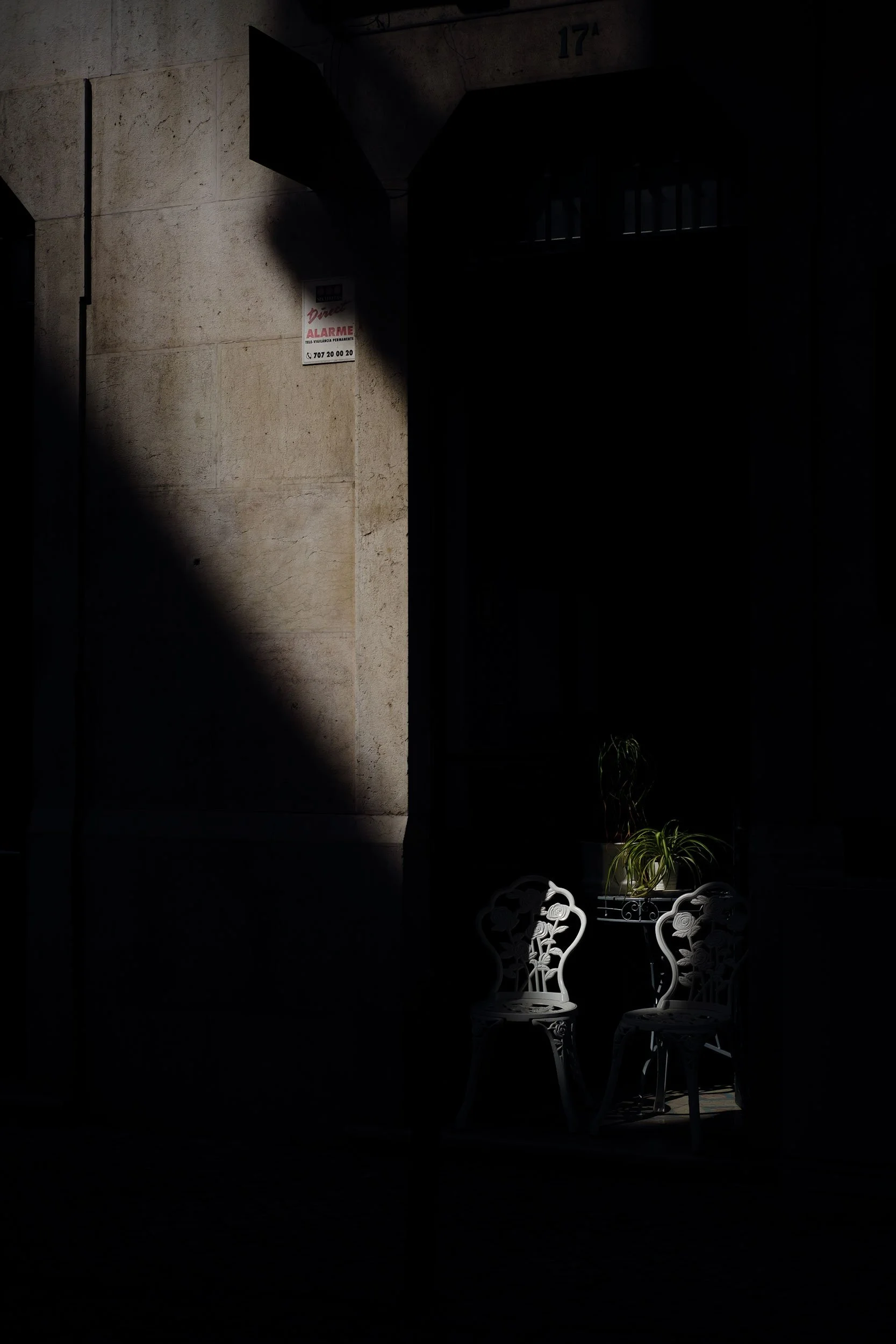
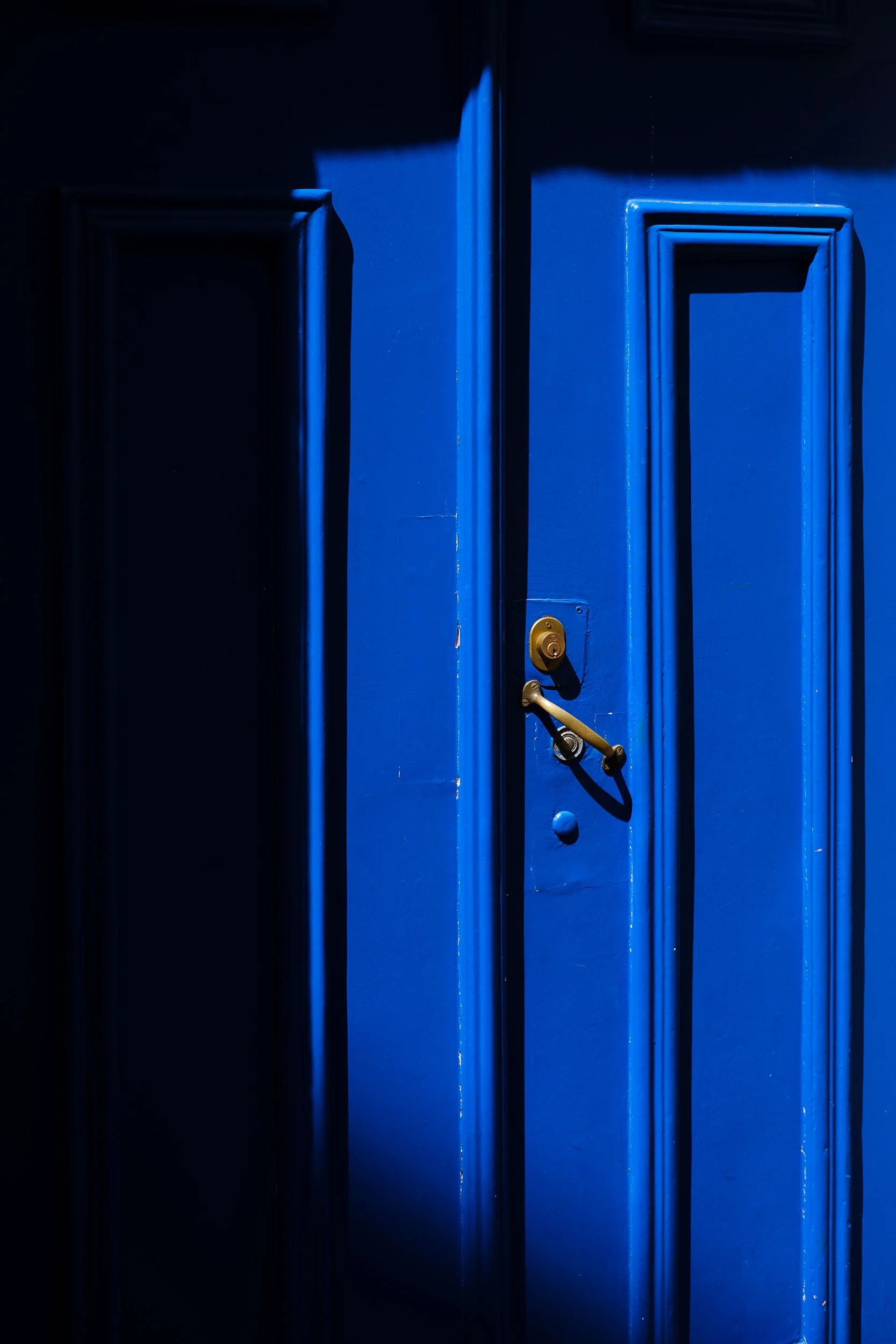
Strong contrasts are pivotal in elevating familiar scenes and creating unique moods in visual storytelling. Creating contrasts can be achieved by strategically using hard shadows and concentrated light, adding depth and drama to a scene. Hard shadows, especially when they peek around corners, create a sense of mystery and intrigue, while concentrated light highlights specific details and textures, making them stand out. The focus often shifts from the main subject to the interplay between light and shadow, encouraging viewers to explore the composition. Contrasts are essential for revealing shapes and textures, transforming ordinary subjects into captivating visual experiences. By accentuating the differences between light and dark areas, contrasts define contours and illuminate details that might otherwise be overlooked. This technique can set a mood and help guide attention, creating visually appealing compositions. Using contrasts can transform an everyday scene into something entirely new and engaging, whether to evoke drama, serenity, or mystery.
Consider the Whole Story
Photography is used to tell a story; sometimes, that story can be better told in multiple frames. As a result, some subjects may appear dull and not worth exploring. However, when coupled with other related photos to create a series, we can take images we haven’t considered strong enough to stand on their own and create a story around them. The photography doesn’t have to be perfect; having someone wonder or study our work for the story is more important than nailing every technical aspect of the photos.
Identify Textures and Patterns
Adding textures is an interesting way to add depth to the story by eliminating all but the most singular subject. Photographing textures, patterns, and shapes can be an interesting perspective as it takes the larger picture and gets closer to concentrating on what could be missed as a subject. This approach of capturing the intricate details often overlooked in broader landscapes can draw attention to unique patterns: sand sculpted by wind, conveying nature’s beauty and wonder, or man-made textures found on aged surfaces, portraying the passage of time. Relating to our overall body of work from travelling, these subjects can add narrative depth to the story.
Conclusion
Photography is about our personal experience during travel, while also capturing our memories. We do our best to portray that message to those who view our work. To create engaging photography, contrasts draw our interest to what’s illuminated and what is concealed; capturing the details, patterns, and textures adds context to our stories, and when certain elements are brought together into a short series, they can create a compelling narrative that represents our experience.