2011 Mercedes-Benz SLS AMG Photo Shoot
2011 Mercedes-Benz SLS AMG
When it debuted at the 2009 Frankfurt Motor Show, the Mercedes-Benz SLS AMG drew enthusiasm as the first car AMG designed and built entirely in-house, not a modified existing platform. The design leaned directly on the 300SL from the 1950s, the original Gullwing: long hood, front-mid engine layout, and, most obviously, the doors themselves. It was also meant to be Mercedes’ halo car, and the result was a modern supercar that felt both nostalgic and entirely of its own era; the SLS AMG reignited a category of retro-inspired performance cars that followed in the years that followed.
The SLS featured a 6.2-litre naturally aspirated V8, badged 6.3 for historical reasons tied to AMG’s older displacement naming, producing 563 hp and 479 lb-ft of torque, paired with a seven-speed dual-clutch transaxle to improve weight distribution.
Specs
Engine: 6.2L naturally aspirated V8 (AMG M159)
Power: 563 hp @ 6,800 rpm
Torque: 479 lb-ft @ 4,750 rpm
0-60 mph: 3.7 seconds
Top speed: 197 mph (electronically limited)
Transmission: 7-speed AMG SPEEDSHIFT dual-clutch
Drivetrain: Rear-wheel drive, front-mid engine layout
Curb weight: 3,573 lbs
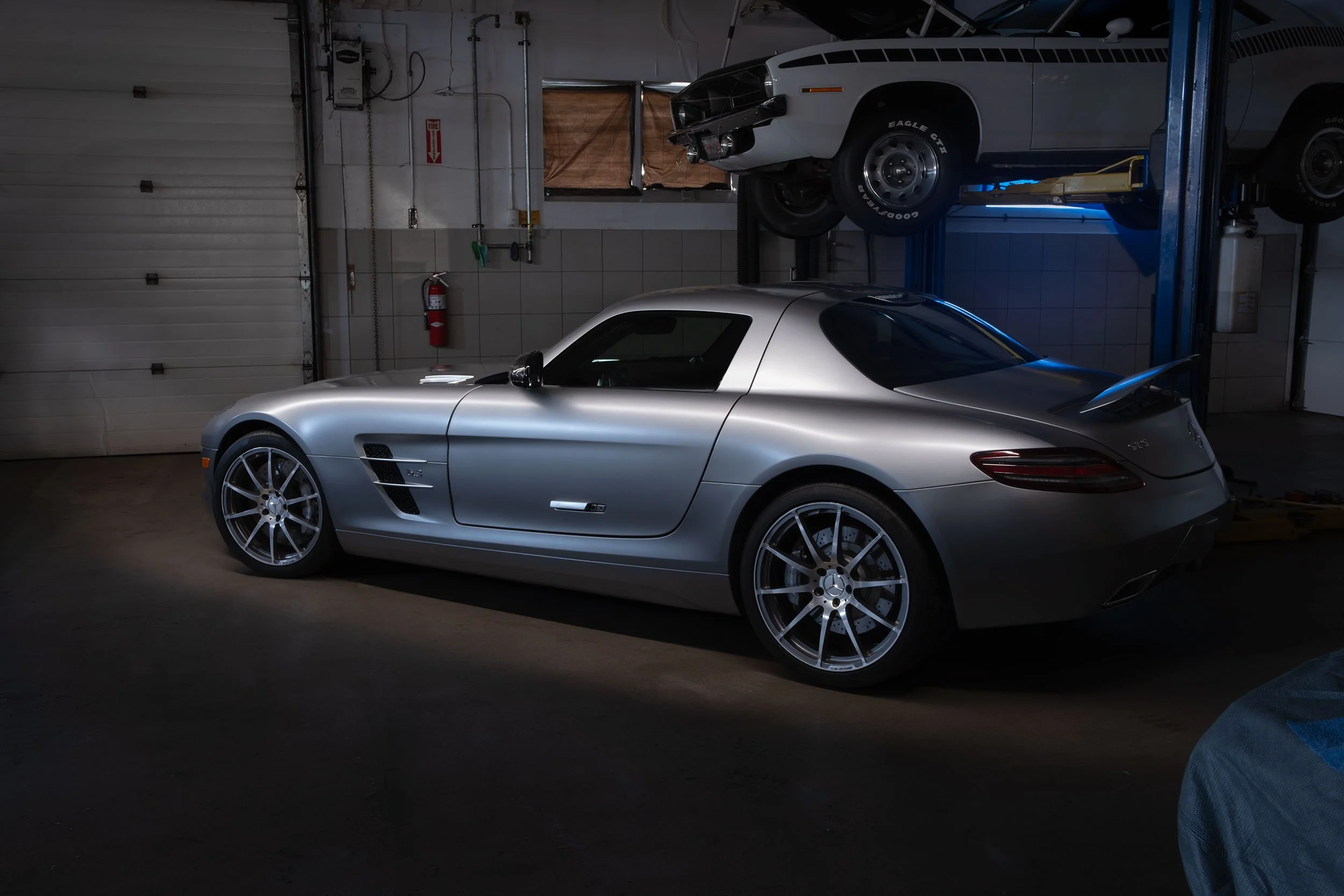
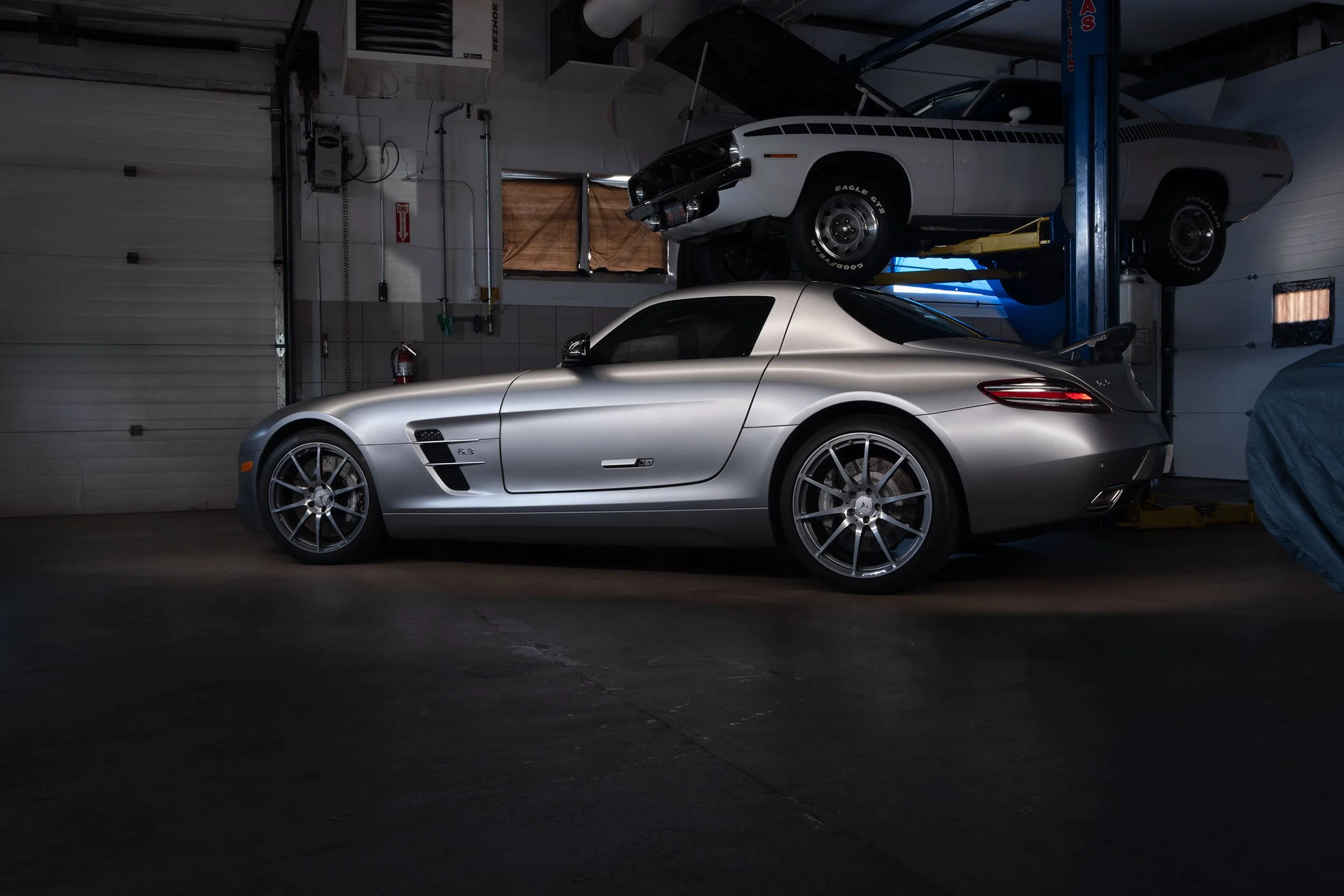
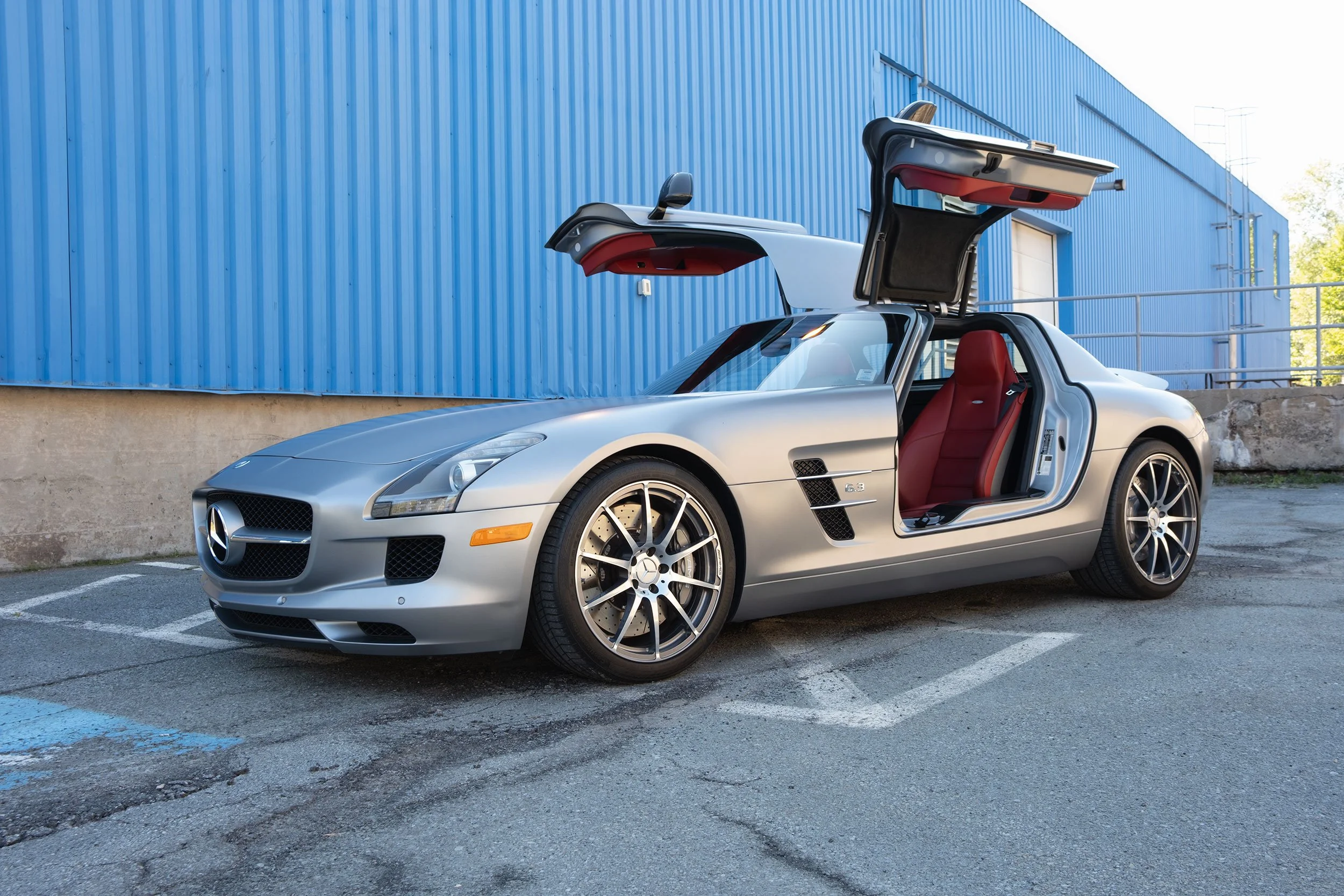
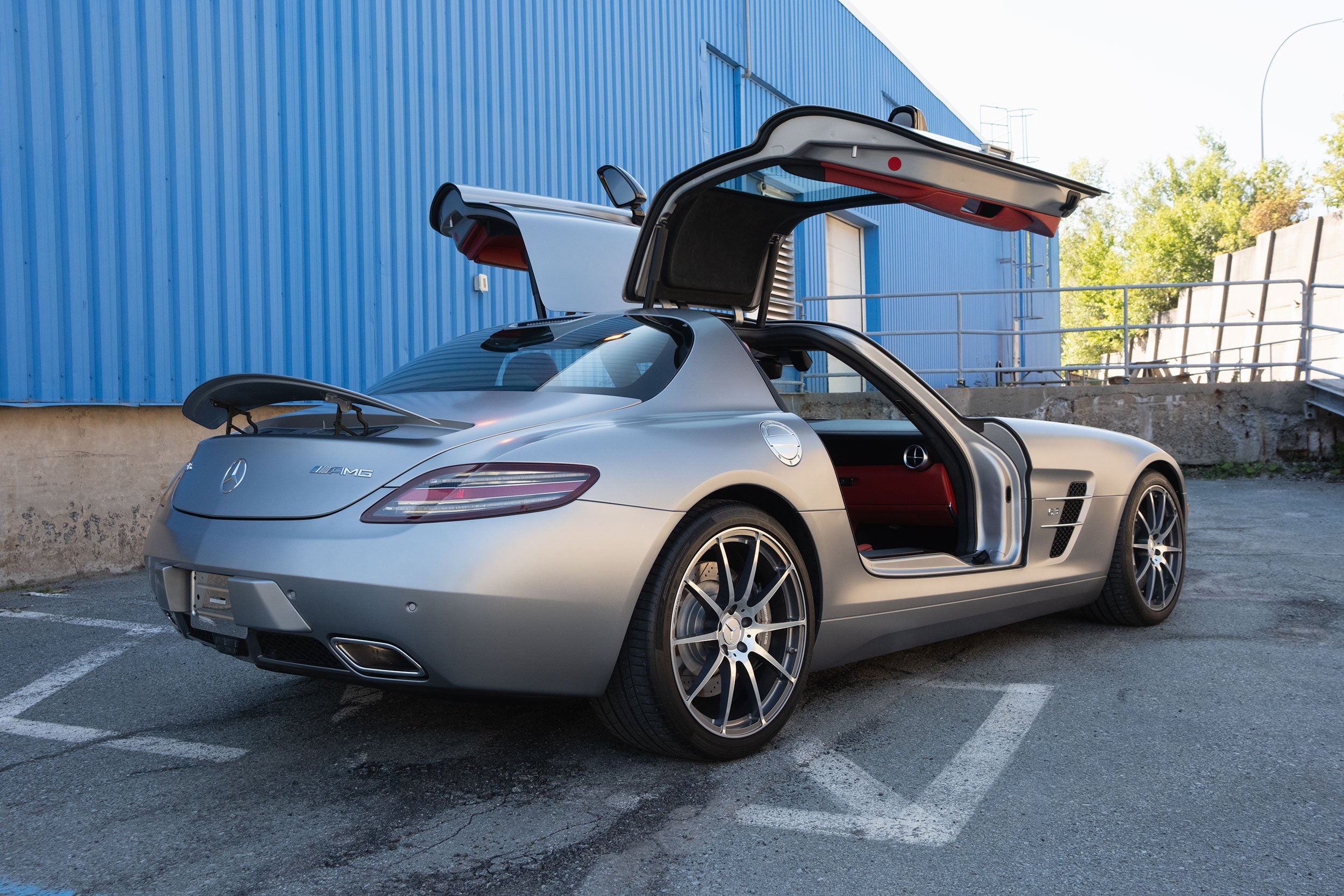
This pristine example of the SLS AMG came to me through the Steele Wheels Museum. It has a factory matte finish in Designo Magno Alanite Grey with just over 4,100 original miles. This is my second time photographing for them, after working with them on a previous auction.
Shooting this SLS meant covering it from every angle the car deserves, using both light painting and natural light: that long hood and those gullwing doors that give it the visual impact they were designed to have. Shoots like this come with a different kind of ownership than a typical dealership session does, since they aren’t just for general marketing. Instead, they are part of how a serious buyer will evaluate and potentially purchase a rare car before ever seeing it in person.
This car is heading to auction with Broad Arrow, and the goal of this shoot was to capture some hero shots, which would be the light painting shots, and also include all the shots needed for a successful auction, which would be in natural light, covering all angles and particular details that complement and highlight the car.
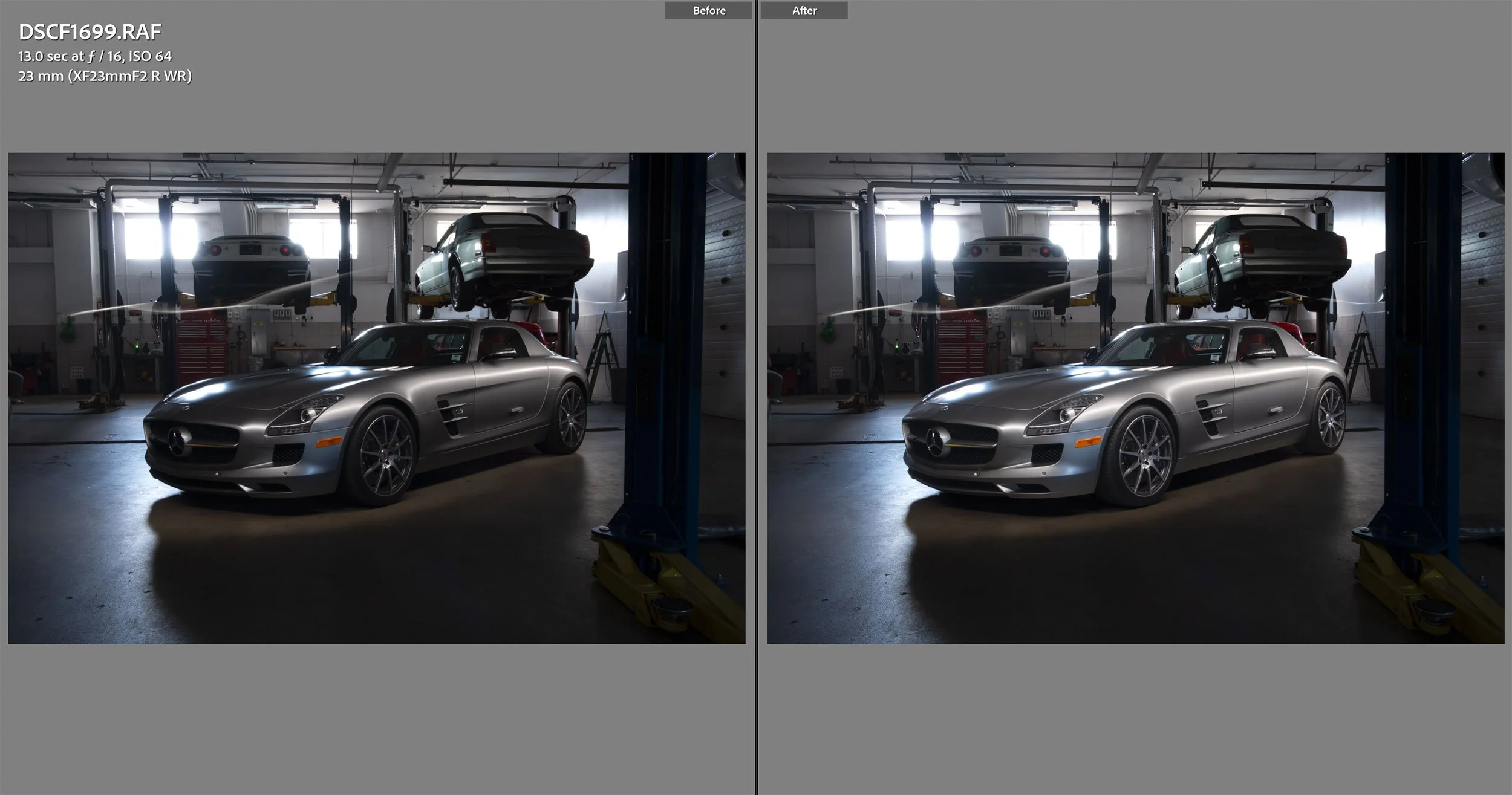
Before and After Lightroom Adjustments
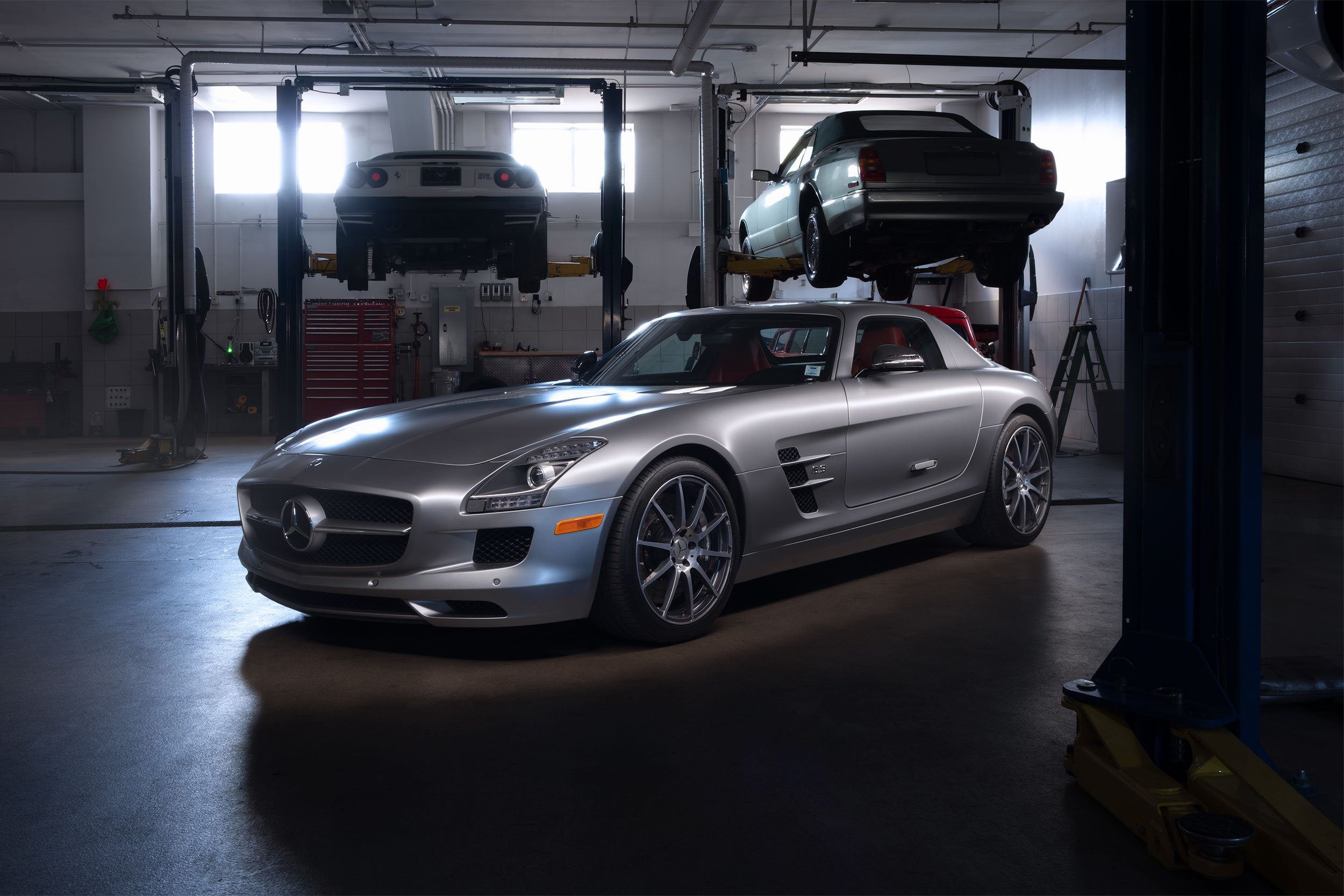
Final Image
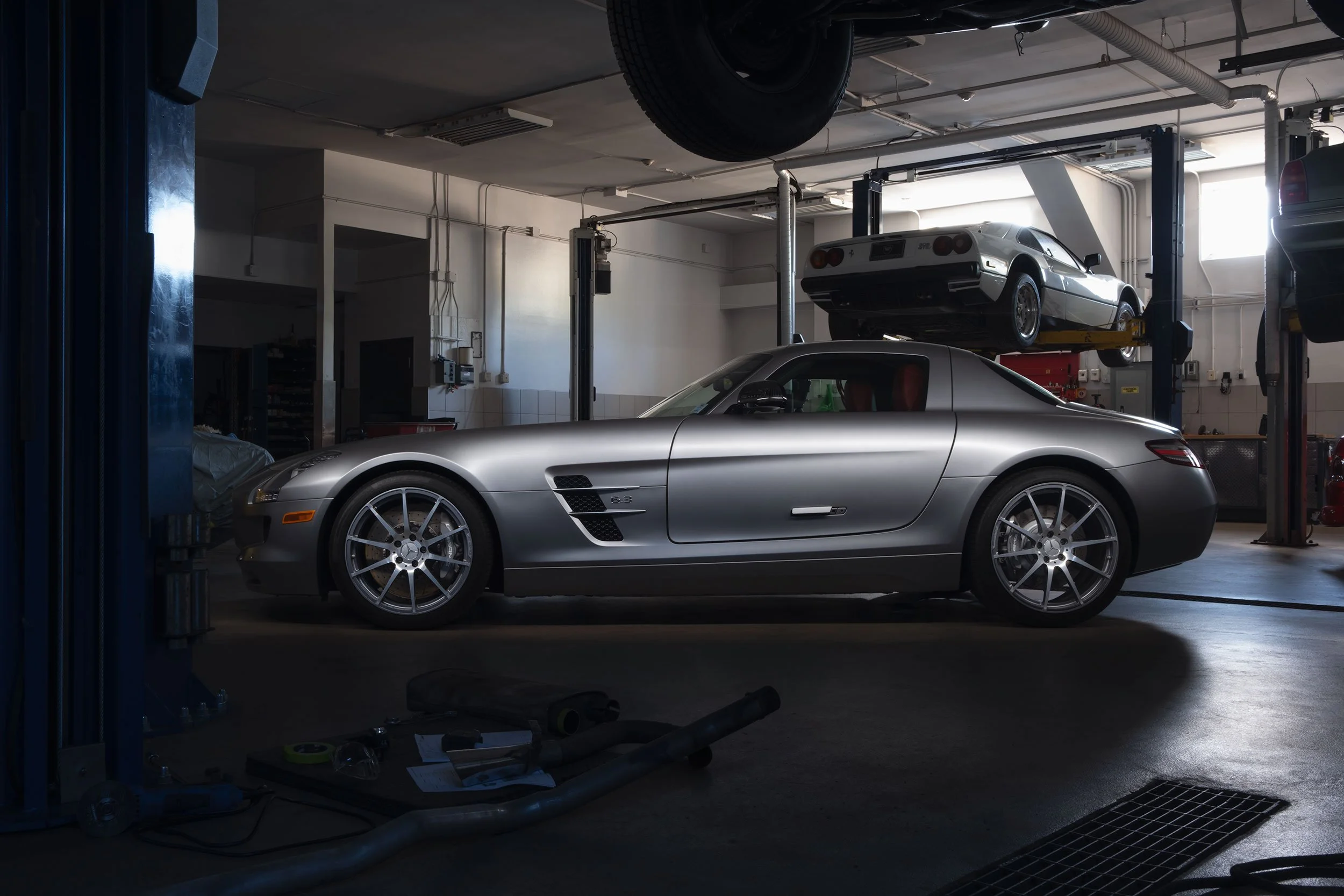
The Shoot
Every light painting shoot starts by taking the time to understand the car in front of you, taking a few moments to walk around and look at different angles and heights. Some angles work better than others, depending on the car.
Furthermore, make sure everything is in place. Are there any distractions on the floor you can sweep out of the way? This is especially important around the car’s wheels and body lines. Best to get those out of the way now rather than worry about them later during post-processing. These are small things you can do in the moment that can save a lot of time later.
Prepping the car is always important. It needs to look its best for its time in the spotlight. Some digital cleanup is often necessary. Dirt on the lower panels that is difficult to see in person, some debris in the front grille, some spots on the windshield: all small things that are essentially invisible in person, but when you are zoomed into a photo at 400%, it can be distracting or messy, at least to me.
Fortunately, the car needed absolutely no cleanup. That is a clear advantage of working for Steele Wheels and photographing such an important, well-cared-for automobile. They have amazing vehicles, and they’re museum-quality pieces meticulously cared for.
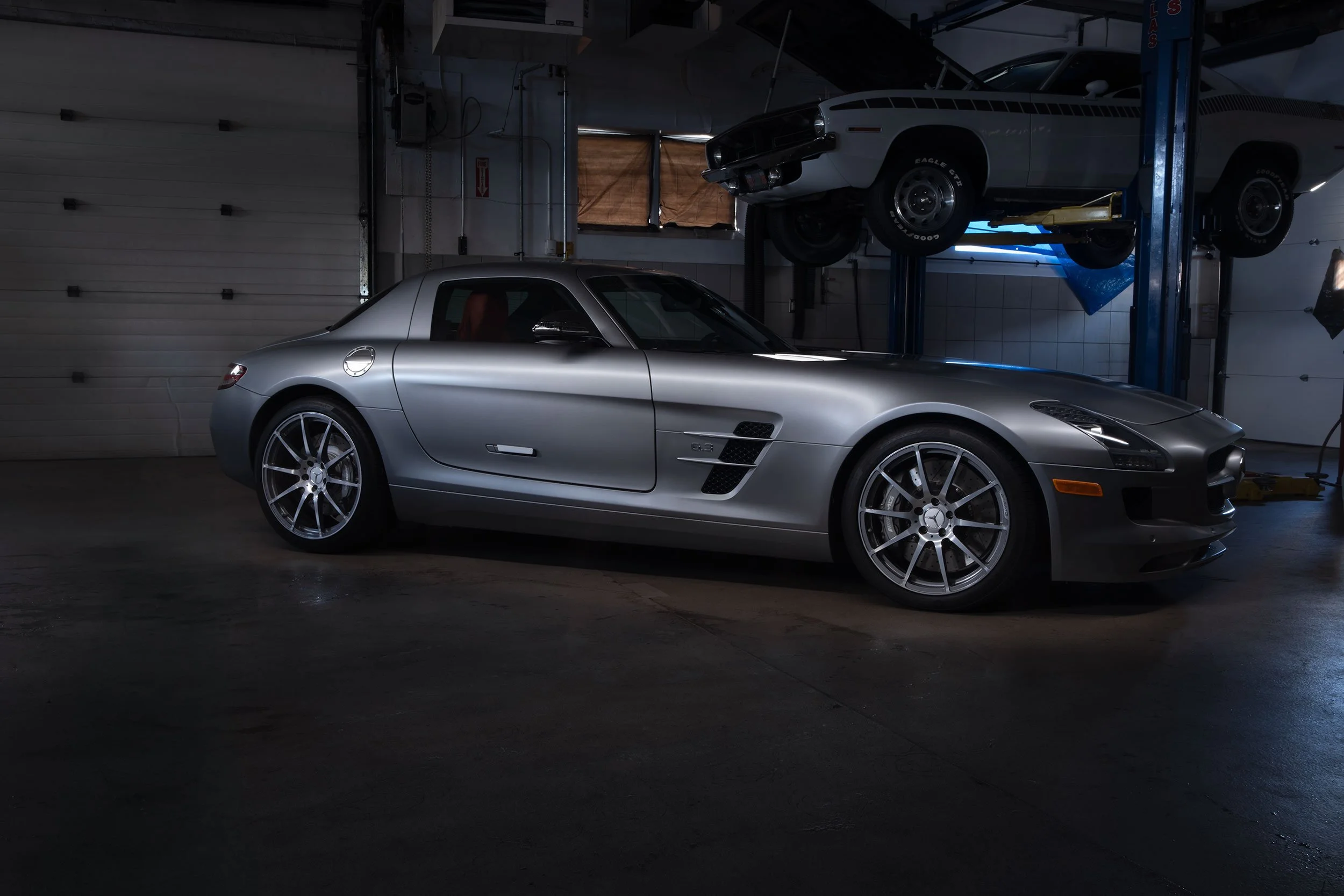
When light-painting a car, matte silver is close to a best-case scenario. The matte finish meant none of the harsh, distracting hotspots that a glossy black panel throws back at you with every pass of the light, and the silver base colour reflected the Ice Light evenly without overpowering it. I’ve spent plenty of time working around dark, glossy panels that challenge me every step of the way, so a car this cooperative was a genuine relief.
Finding the right space mattered just as much as the car itself. Light painting success depends on darkness and a long enough exposure window to light the car, so the first real requirement of any shoot like this is a space dark enough to support that. You still need some ambient light to give the background presence. You want the car lit, but you don’t want it looking like it is floating in the scene. Once that’s sorted, most of the technical groundwork is done, including locking down the tripod, getting the angle right, and attaching the monopod to the Ice Light for distance. It’s the same routine I’ve relied on for years, regardless of what car is in front of me.
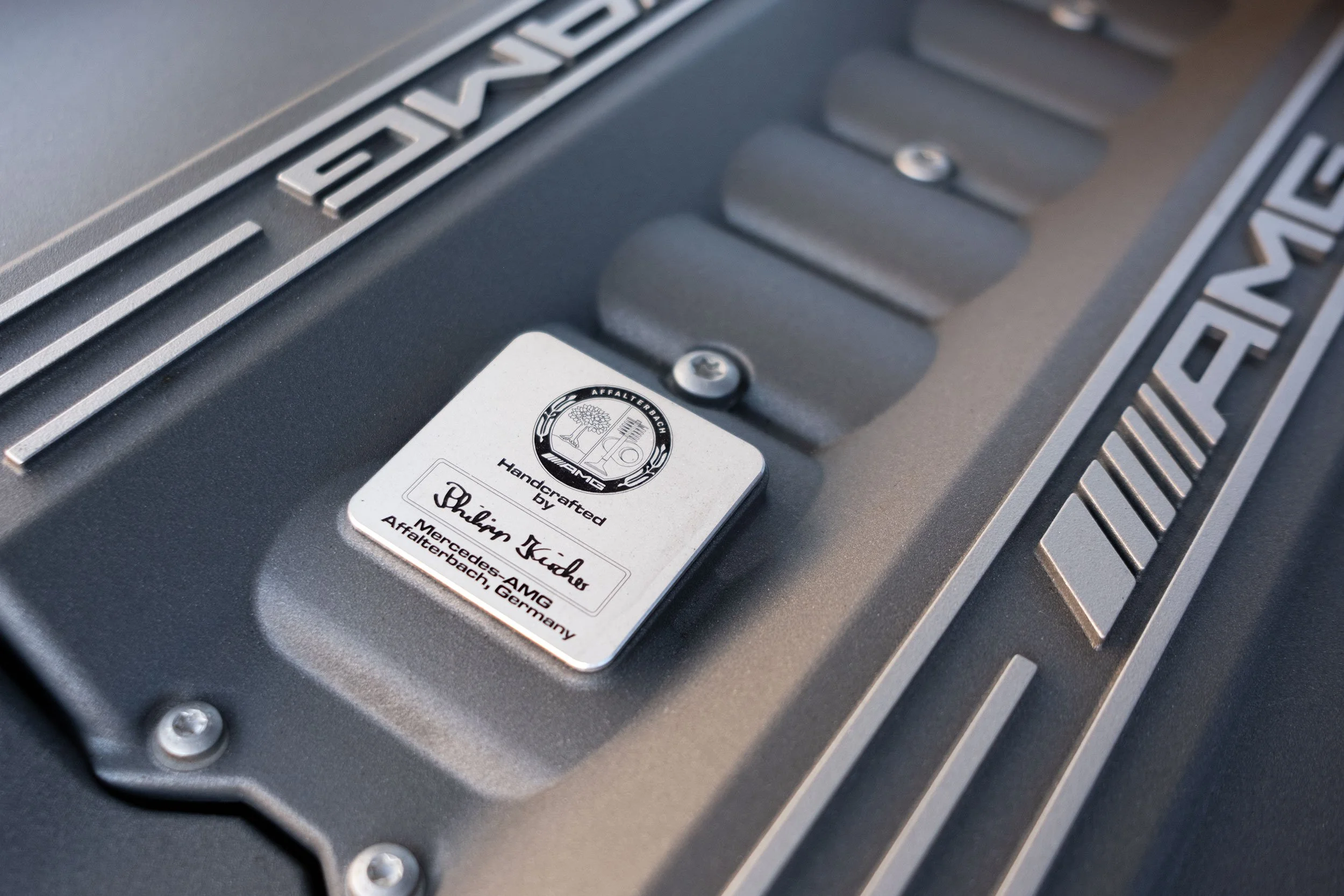
Handcrafted by Philipp Kircher
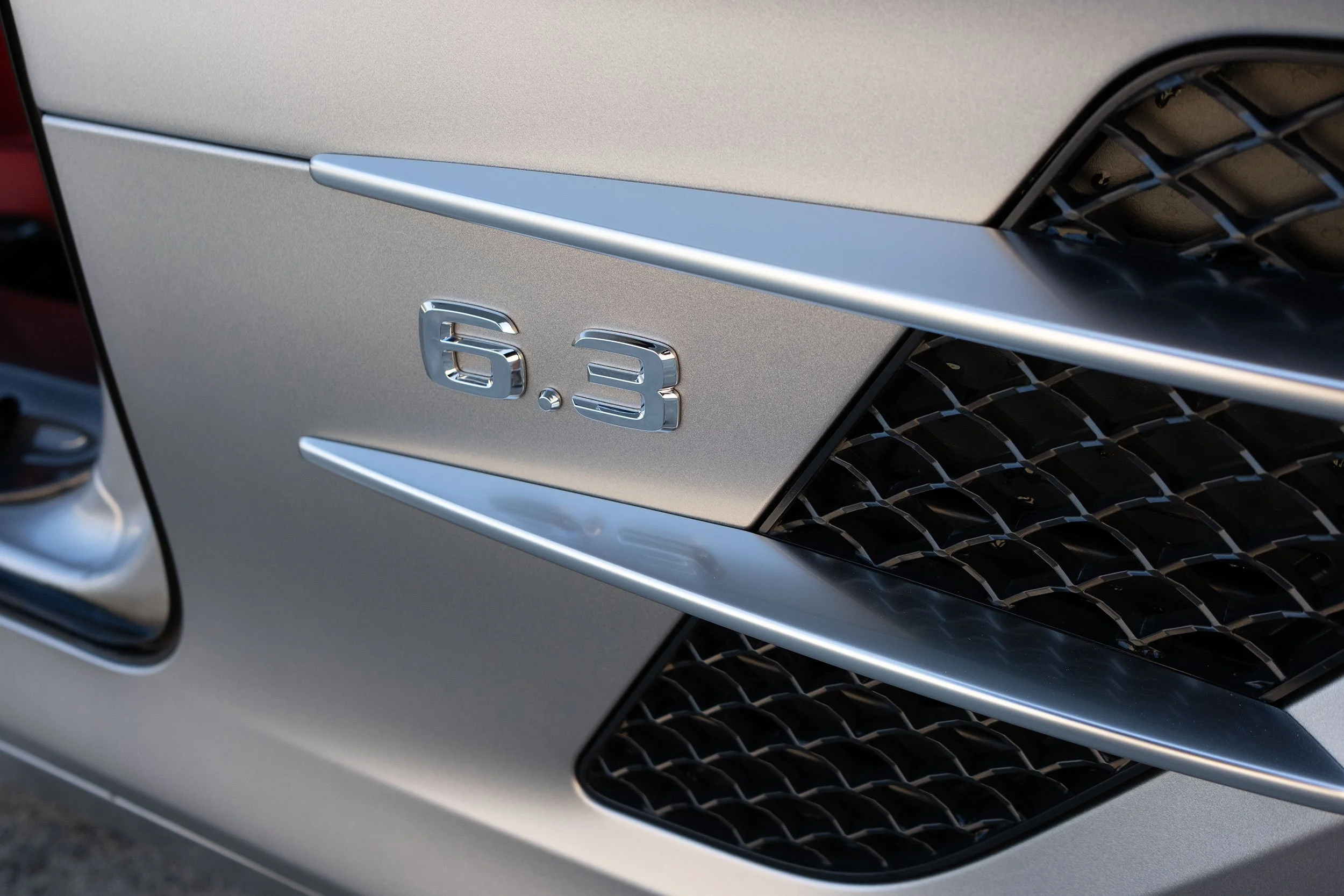
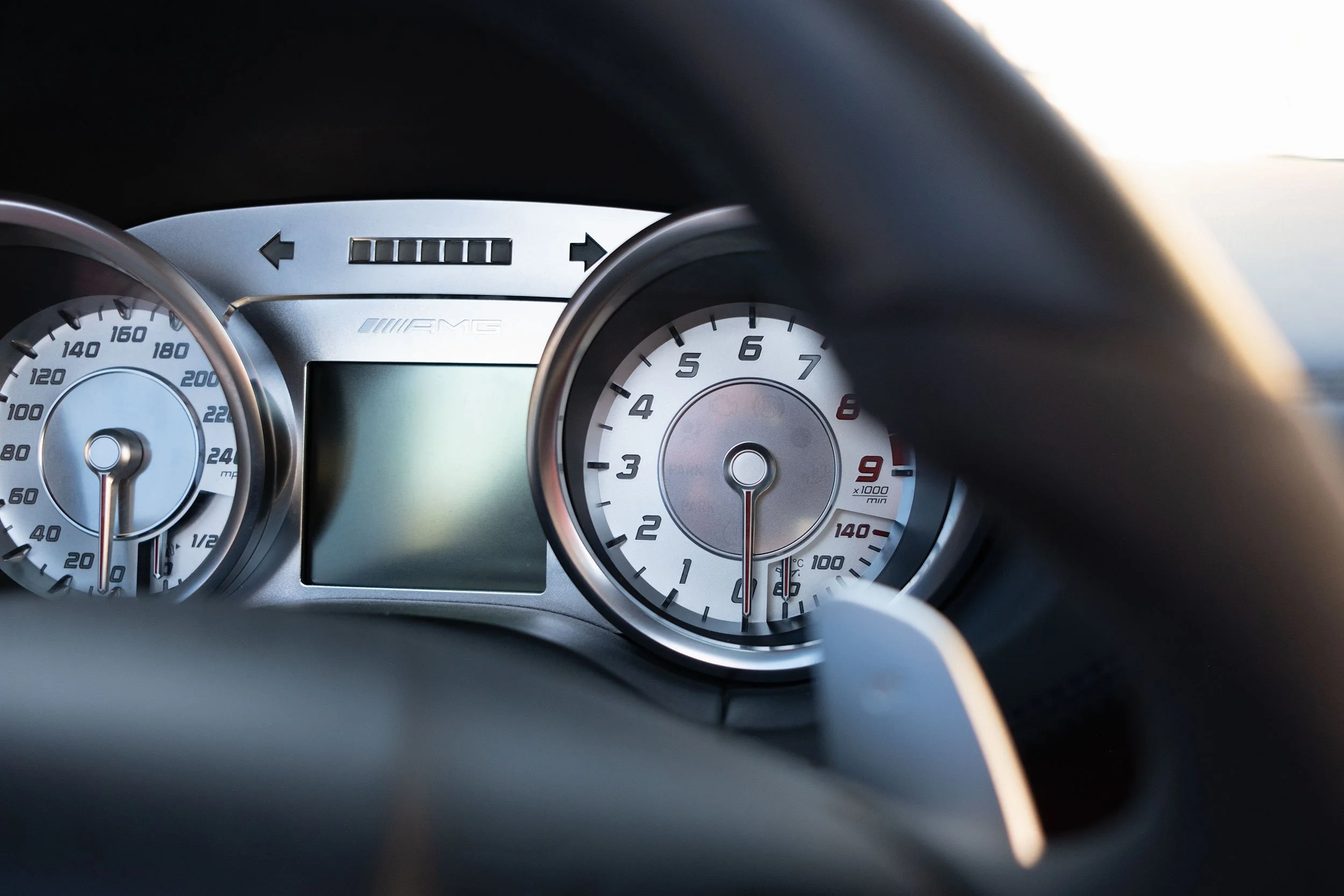
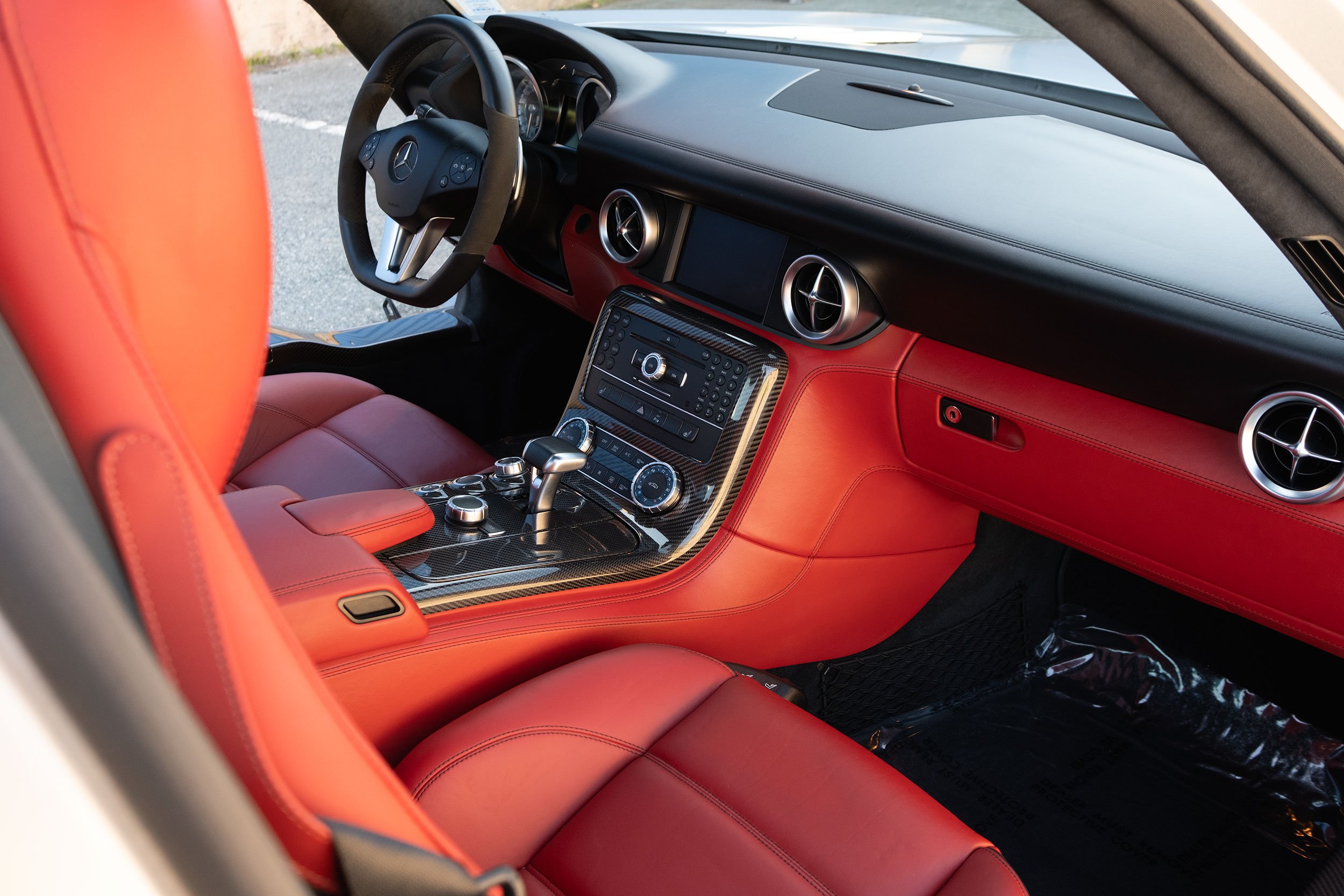
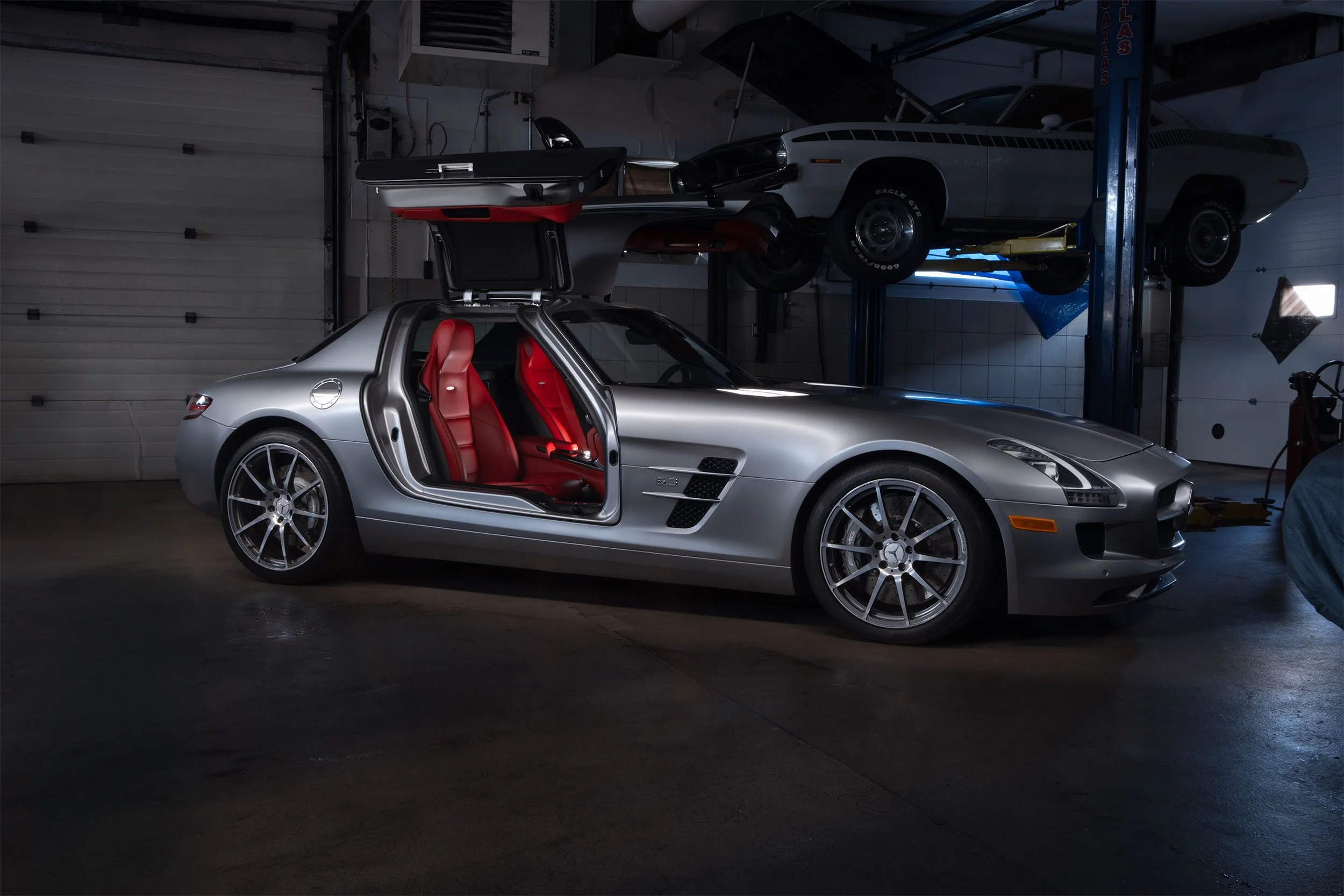
For the light painting itself, I kept it to one or two layers at most, and that wasn’t a limitation; it was a deliberate choice. I wanted a good portion of the car to sit in partial shadow rather than fully revealing every panel, letting the parts I did light carry more weight and giving the whole image a more dramatic, restrained presence. Sometimes fewer layers are the right call, and it’s better to leave something out than to show everything the car has to offer in one frame.
The gullwing doors were the one feature I knew had to be part of this shoot from the start. They’re the single most defining detail of the SLS, the reason the car carries the presence it does, and photographing it without capturing them open would have missed the point entirely. I made sure they were a focal point of the light painting passes rather than an afterthought.
I also wanted the interior represented, not just implied, partly because the bold, vibrant colour works with the subdued matte finish of the exterior. For that, I moved the Ice Light inside the cabin. I treated it as its own separate layer, lighting the interior on its own rather than trying to catch any of it incidentally from the exterior lighting. That gave the interior shots proper, deliberate light rather than something dim and secondary to the exterior work.
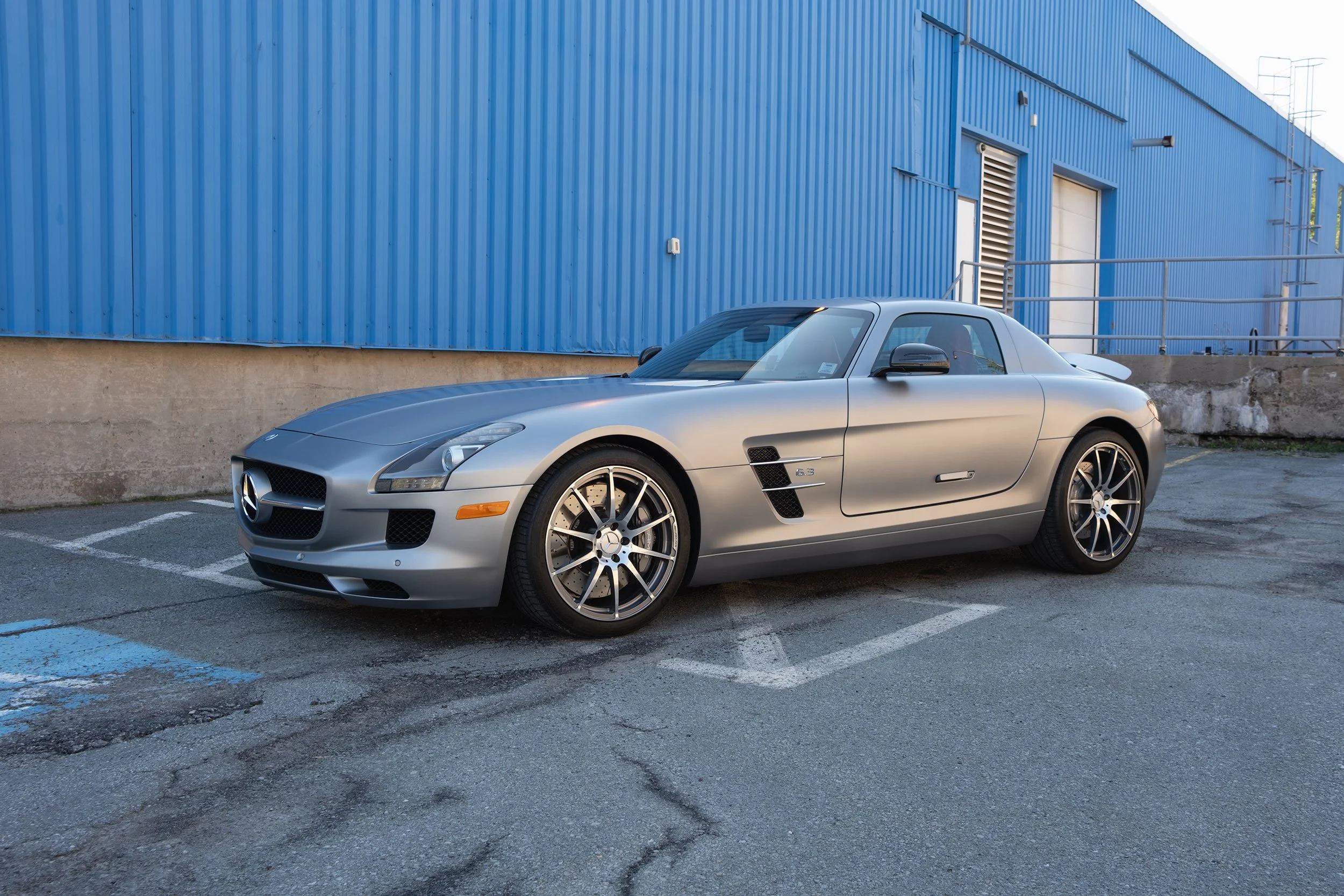
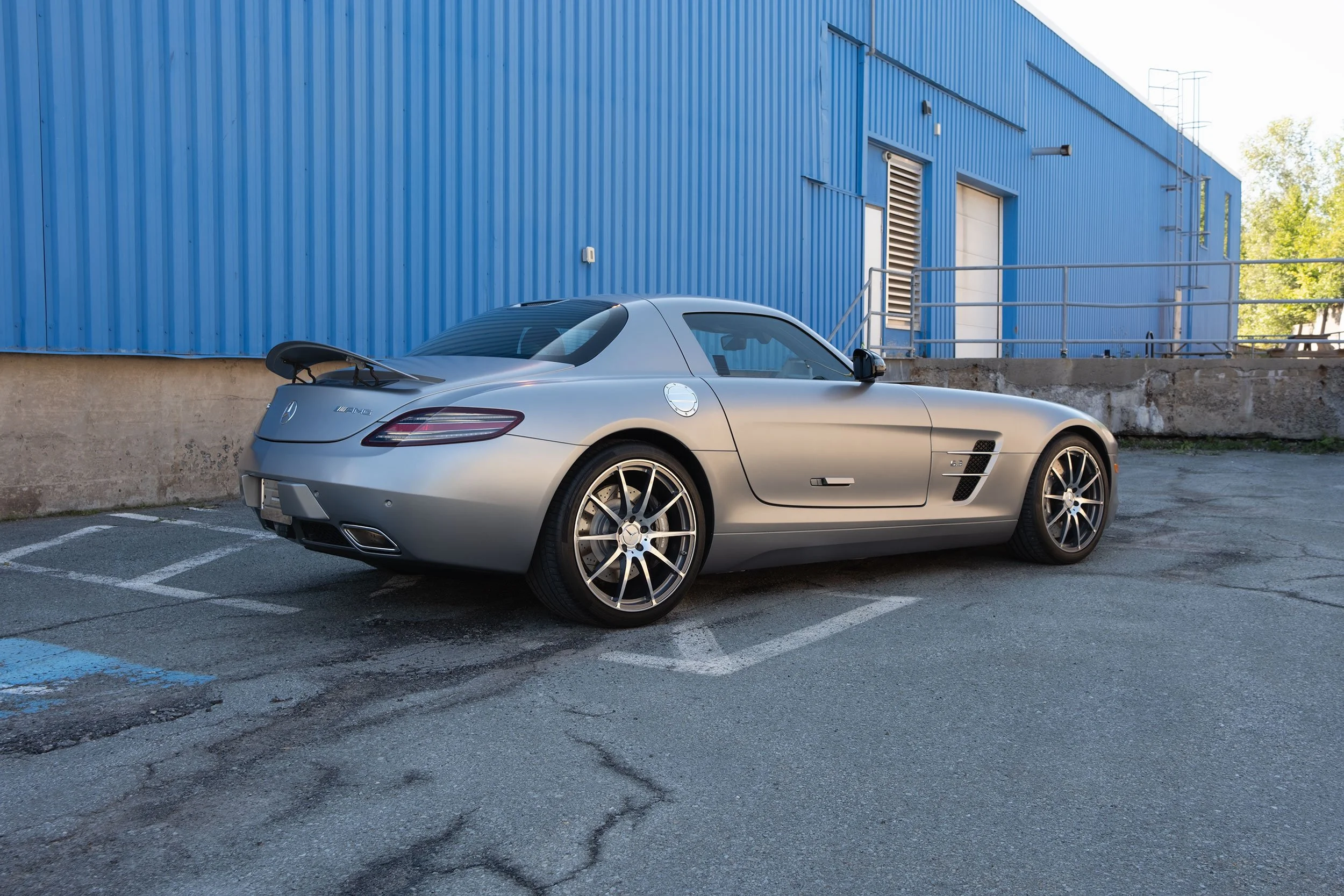
The exterior daytime shots were a different exercise entirely, and intentionally simple. No elaborate composition, no trying to manufacture anything through elaborate framing, just the car placed centre stage and given the space to be the subject. The SLS doesn’t need much help in that department. It’s a subtler design than some of the more aggressive supercars of the time: no front splitters or oversized wings doing the work. But it still has real road presence; the proportions, width, and that long hood do enough on their own that the photographer’s job was mostly to stay out of the way and let the car read clearly. However, I noted and included the rear retractable spoiler. I feel it provides a visual kick near the end of the vehicle, and I think it adds impact when shot from a rear angle. The car is elegant and classy, but the spoiler says, “I still mean business.”
Taken together, the light-painted shots and the daylight exterior work do two different jobs. One shows what the SLS looks like in dramatic, controlled light. The other shows what it’s like to stand beside it in daylight, presence and all.