Photography in Lisbon: What You Should Know
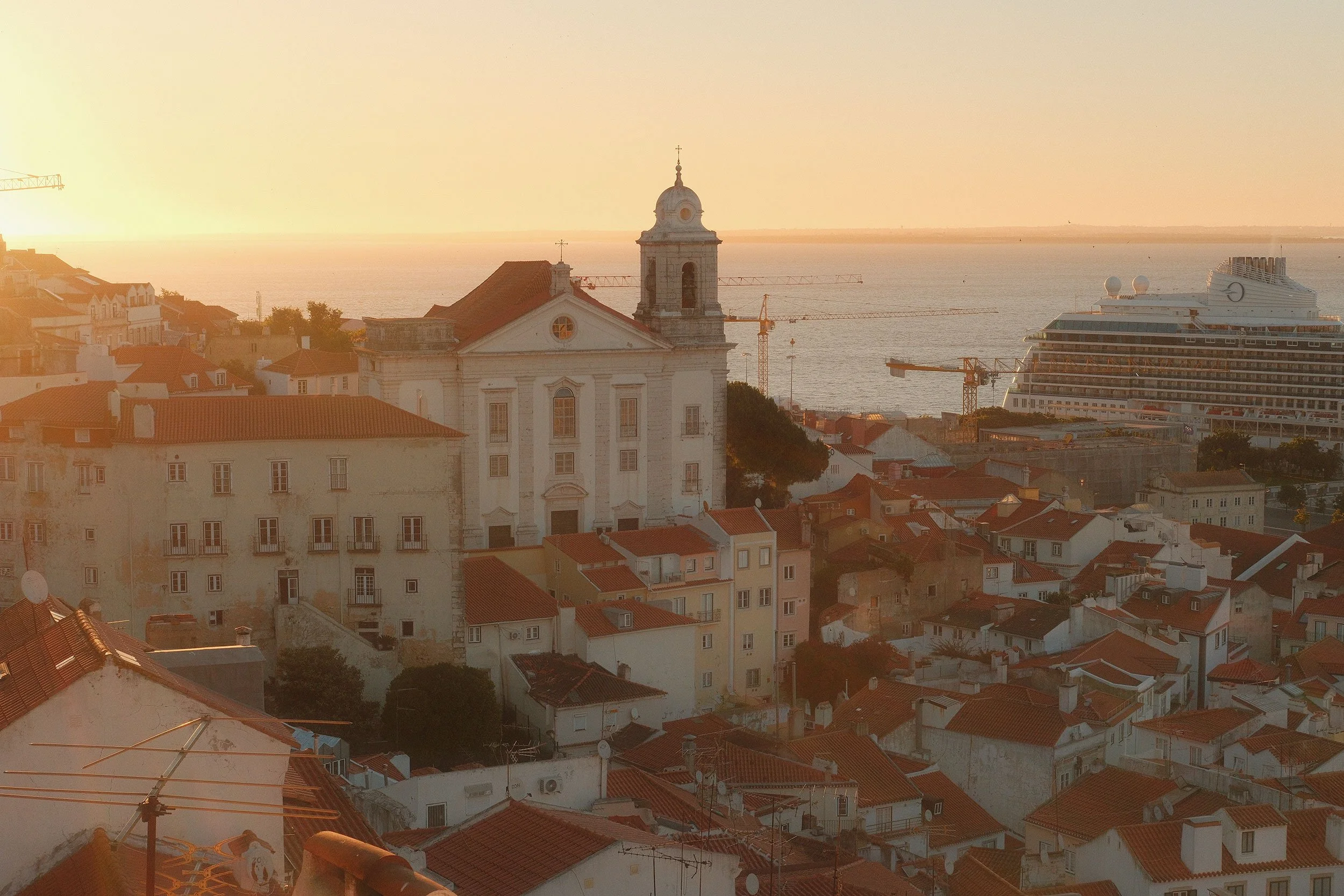
Lisbon is vibrant, photogenic, and full of character. It’s also incredibly popular with visitors, and it’s easy to see why. Getting around Lisbon is easy, and while you can absolutely explore much of Lisbon on foot, be prepared: Lisbon’s hills are no joke. Add on the cobblestone streets and in the summer heat, and what seems like a casual wander can quickly turn into a full workout. You will be exhausted after a few days, and looking forward to kicking your feet up and relaxing after a successful day of discovery and photography.
Many of the city’s must-see spots are within walking distance of each other. But for some viewpoints and neighbourhoods, hopping on public transport is almost essential. Thankfully, Lisbon’s transport system is reliable and affordable, and it can be part of the experience in itself.
This was my second time in Lisbon, and after spending five days exploring at my own pace, I feel I have a grasp on what the city has to offer for photographers. Of course, exploring and discovering what’s around the corner on your own, without guidance, will yield some of the best photographic surprises. Still, if you’re chasing the best photography locations, I’ll share a few here.
What You Should Know First
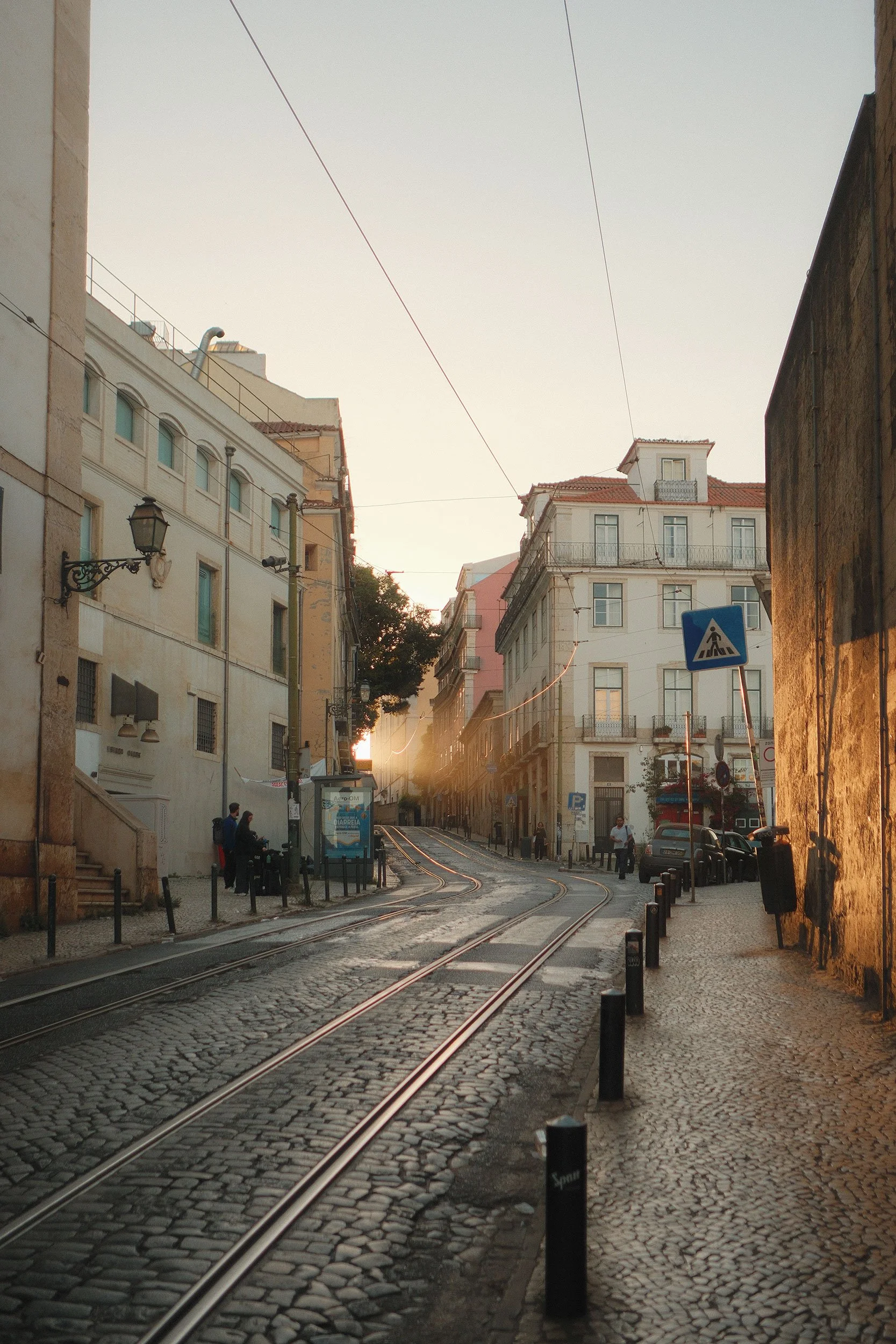
In the most popular spots, where you will spend most of your time, Lisbon gets very busy, which can make things difficult to navigate. Some of the sidewalks are narrow, barely wide enough for one person, and the roads are old and in disrepair, with dips and bumps, making them challenging to walk on at times. And you will need to walk on the road occasionally, as it can be the only way to get around people. Keep in mind that this is an old city, and it wasn’t designed around motor-vehicle infrastructure.
It’s essential to wear comfortable shoes, and if it’s raining or wet, take extreme caution. In some areas, it would not be difficult to slip and fall or roll an ankle.
Drink plenty of water, take breaks, and enjoy a snack in the shade when you can. 20,000-30,000 steps in a day is easy to hit, and I’m not joking: it can be very tiring, especially if you are constantly on the go.
Public Transporation
Given how tiring a few days of exploring Lisbon can be, I’d highly recommend getting familiar with the public transportation network, as its variety and frequency make it much easier to get around.
Purchase a Navegante card at a metro station machine and load it up. I’d recommend getting a day or more, as you may be jumping on and off frequently. Once you have this card, you can scan it when you board the bus or enter the metro station. It’s easy, it’s affordable, and it makes things easier. Also, download the Citymapper app to find the most convenient route wherever you are.
Also, some locations are not within walking distance; Belém Tower and Jerónimos Monastery are close together, but you’ll want to find transportation to reach them. The LX Factory is a bit out of the way as well.
When Is the Best Time of Day for Photography?
This one is simple: early mornings are best. If you have the option, set an alarm and aim to be out just as the sun rises. Lisbon doesn’t seem to truly wake up and start to come alive until around 8:30 or 9:00 a.m., so during the summer, when the sun rises early, you’ll have the city largely to yourself. After experiencing Lisbon at peak hours, it’s almost surprising how quiet it feels in the morning. It’s a completely different atmosphere, and far better for photography. Not only are there fewer crowds, but the light is exceptional as well. Lisbon’s soft morning glow, paired with its colourful facades, creates a scene that feels made for photography.
The evening light is also great, but the crowds are in full effect then. Still doable, but you’ll need to navigate around the many tourists.
Focal Lengths to Consider
I shoot mostly with a 23mm on the Fujifilm X-H2, and only occasionally reach for the 35mm. Those are the only two focal lengths I have, so my framing is pretty much locked to them unless I physically move. I actually find that limitation freeing, and it’s one of the reasons I only use the 35mm now and then. I like working with what’s in my hands, and that’s enough for me.
That’s not to say a zoom or a longer focal length wouldn’t be useful. There were definitely a few shots where I wished I could get a little tighter, but I worked with what I had and cropped where it made sense. For me, it wasn’t worth hauling around a lens like that for the very few times I would have utilized it.
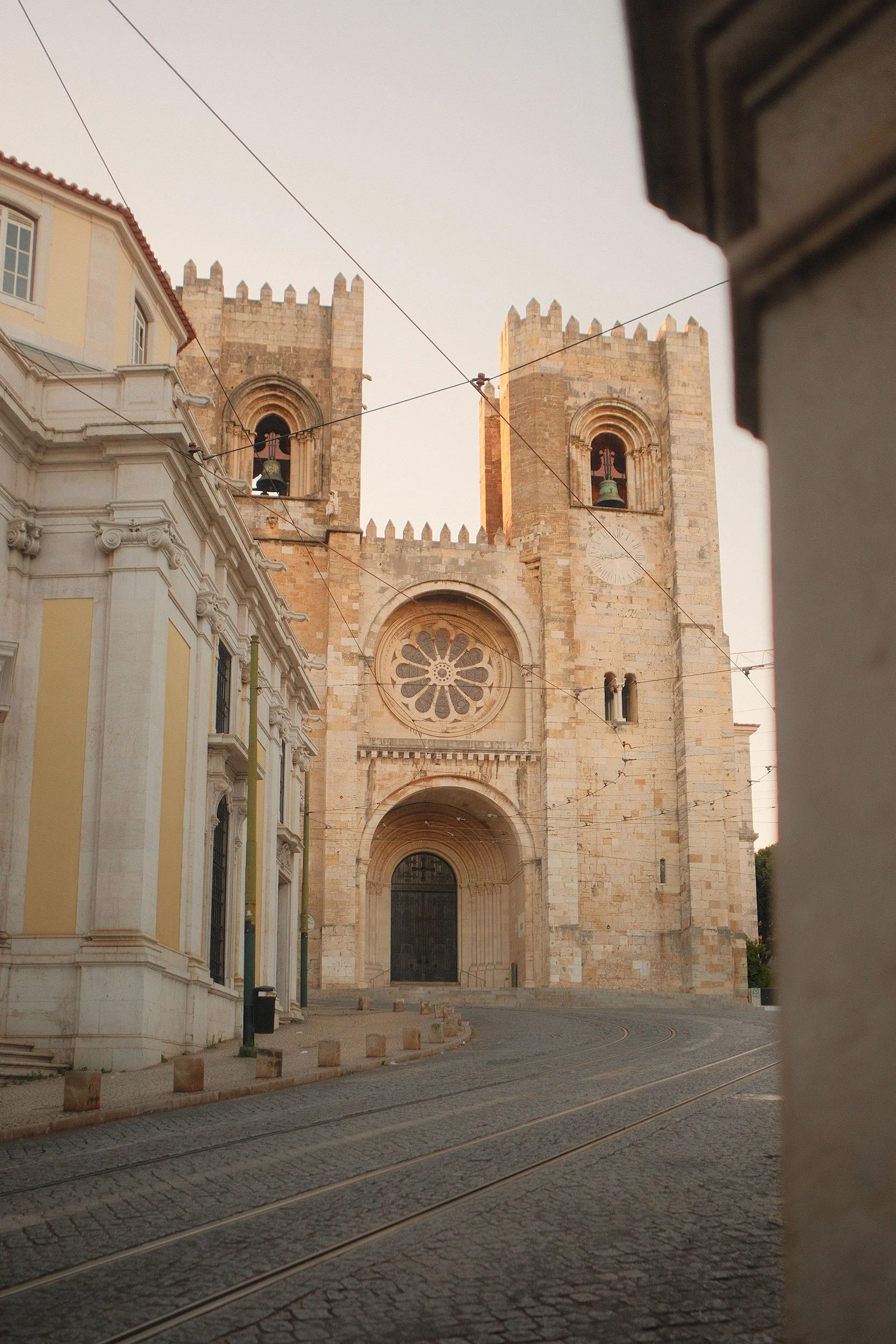
In terms of composition, I find Lisbon to be a very vertical city. I’ve always liked portrait orientation with my photography, but Lisbon especially seems to reward it. Maybe it’s just personal preference, but this is my second time here, and I’ve noticed I was taking far more vertical shots than horizontal.
Lisbon Areas and Neighbourhoods
The easiest way to understand Lisbon’s layout is in terms of districts: Baixa, Chiado, Bairro Alto, Alfama, Belém, and Parque das Nações.
Baixa is one of the busiest areas. It’s easy to manage as most of it is flat. Here you will find a ton of restaurants and shops, and many, many people during the day. The Santa Justa Lift is here, offering elevated views of Lisbon and the Praça do Comércio, one of Lisbon’s defining sites.
Chiado has shopping, with high-end shops and nice restaurants. Bairro Alto has a pretty active nightlife. It’s lively and loud, and there is a ton of activity here at night. More subdued in the day, but the area also has various shops and restaurants.
Alfama is one of the oldest areas of the city, and it has a lot of character with its narrow streets and traditional architecture. It also has beautiful views over the city and the river. It’s a fantastic area for photography because there are plenty of hidden corners to discover. In the evening, this place is busy and loud; in the morning, it’s deserted and quiet.
Castelo de São Jorge is a great spot, offering one of the best locations for sweeping city views. From the castle’s elevated viewpoints, you can capture layered compositions of terracotta rooftops and the Tagus River. This is a superb area for low sun, but it’s going to be busy, so be aware.
The Lisbon Cathedral is in the neighbourhood too; however, it’s a bit more accessible overall. This is one of the most popular spots in all of Lisbon, so expect crowds. It’s still a good area, though, for street-related photography, as it’s easy to go unnoticed. Also, the cathedral’s height can cast interesting shadows throughout the day.
Belém sits west of the center, and you’ll want to take a bus or tram to get there. Here, you can get to the waterfront and, of course, get to the Belém Tower.
Parque das Nações is a newish area, as it’s been redeveloped and is more modern. It’s further East, and it’s an area that I didn’t explore myself.
Conclusion
Lisbon is a great city for photography and is definitely worth a visit. I’d recommend staying as close as possible to the main areas. Even on a map, it may look close, and it is, but the hills can be punishing when doing it multiple times per day. And being near a metro station will make your days much easier.
It’s a city that rewards the effort you put in, whether that’s climbing yet another hill or taking a different path. Lisbon can be a little chaotic in places, for sure, but by embracing the planned spots and the unexpected moments, you’ll come away not just with strong photos, but with a genuine sense of having experienced the city properly.